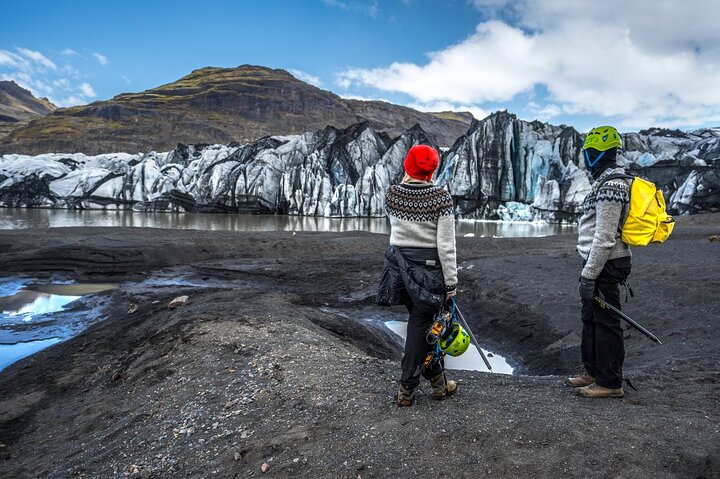
Sólheimajökull glacier tongue in autumn light. Photo: Sven Lindqvist
Iceland Seasons at a Glance
Iceland's south coast gets 2-4 hours of daylight in December and nearly 24 hours in June. That single fact determines almost everything about your glacier tour experience — what you can see, how long you can stay, and whether the drive from Reykjavík makes sense. Jökulsárlón is 380 km from Reykjavík (roughly 5 hours driving without stops). A winter day trip means driving in the dark both ways.
Vatnajökull is Europe's largest glacier by volume, covering 8% of Iceland. Jökulsárlón lagoon formed between 1934-1935 as Breiðamerkurjökull retreated — it's now Iceland's deepest lake at 248 metres. Icebergs can take 5+ years to melt and reach the sea at Diamond Beach. The lagoon has doubled in size since the 1970s due to glacial retreat.
"I've shot Jökulsárlón at sunrise, midday, and midnight sun — and the lagoon looks completely different in each light. The 10 AM boat tours get the best iceberg reflections. In June the sun rises around 3 AM and the lagoon at 4:30 AM is empty of people, with icebergs glowing pale blue in the pre-dawn. By 11 AM the tour buses arrive and the place transforms. In December the lagoon is barely visible by 3:30 PM — but the low sun angle, when it's out, makes the ice look deeper blue than at any other time of year."
— Sven Lindqvist, after eight seasons on Vatnajökull
Summer (June–August): Peak Season, Maximum Daylight
This is when everything is open. Jökulsárlón boat tours run daily — the amphibious boats operate from May through September. Glacier hikes on Sólheimajökull are at their most accessible, and evening hikes are the best choice since the ice is less slippery in late afternoon. The midnight sun gives you nearly 24 hours of usable daylight in June, which means you can drive the south coast with time to spare.
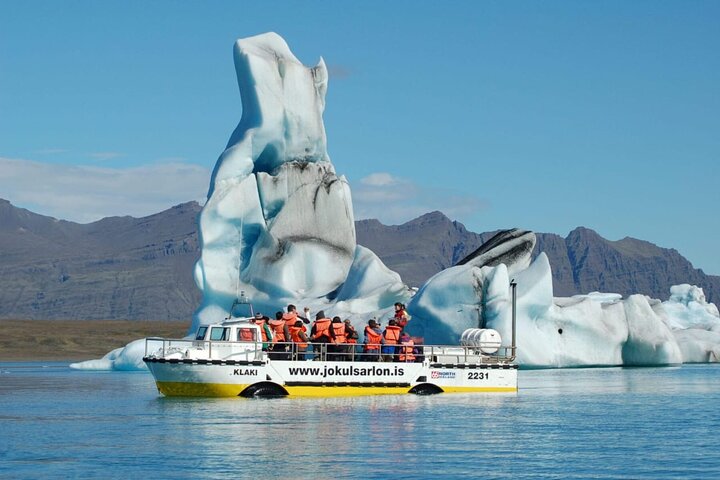
What works: The Diamond Beach and Jökulsárlón Day Tour with Boat Ride is at its best in summer — the long daylight means you're not rushed through the south coast stops. Book the 10-11 AM boat slot for the best light. The amphibious boats sell out in peak summer, so book 3-5 days ahead.
What doesn't: Ice caves. Most collapse by April and won't reform until November. Don't book a summer ice cave tour — they don't exist. Summer is also peak pricing and peak crowds. The Jökulsárlón parking lot fills by 10 AM. The Katla ice cave is the exception — it's accessible year-round, but the summer experience is different (warmer, wetter, more people).
Practical detail: Glacier hikes in summer often run in the evening. The ice surface meltwater refreezes overnight, giving better footing in late afternoon and early evening than morning groups experience. I book 6 PM hikes whenever possible.
"In July 2020 I did the Jökulsárlón boat tour in pouring rain — 8°C, visibility about 100 metres. Got soaked but the guide handed out blankets and told stories about the glacier's retreat. A chunk of ice the size of a car calved and crashed into the lagoon. The rain made the icebergs look more dramatic — darker, sharper, more textured. Icelandic tours run in almost any weather. Bring waterproofs and go anyway."
— July 2020, Jökulsárlón amphibious boat tour
Autumn (September–October): The Sweet Spot
September and early October are, in my opinion, the best months for glacier tours in Iceland. The summer crowds thin out after the first week of September. Boat tours still run through October. The first autumn storms create dramatic skies over the glacier. And — importantly — the Northern Lights become visible again from late August onward, reflected in Jökulsárlón's still water.
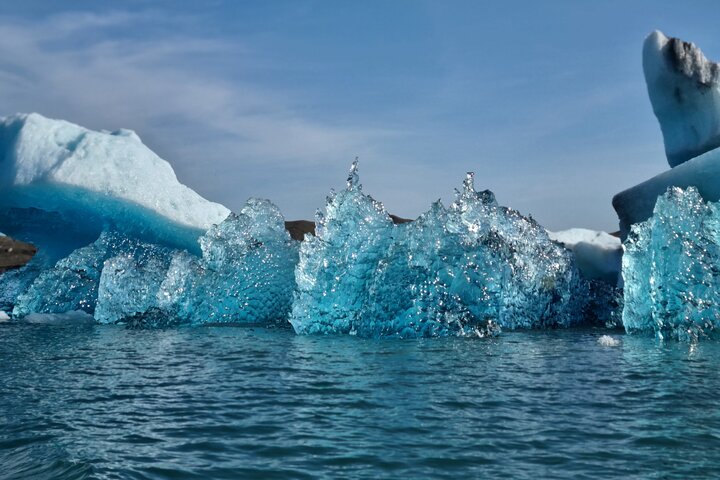
Daylight shrinks from about 13 hours in early September to 8 hours by late October. That's still enough for a day trip from Reykjavík if you leave early. The drive gets wetter and windier, but the roads are still clear of ice. Prices drop 15-25% from summer peaks.
The Jökulsárlón Glacier Lagoon Private Tour works especially well in autumn — a private guide can adjust the itinerary around weather windows, and you're not locked into a group schedule when conditions change fast.
What to watch: Transition weather. September can deliver summer conditions one day and winter storms the next. Icelandic weather changes every 15 minutes — bring waterproofs regardless of forecast. The first snow on the highlands typically arrives in late September.
Winter (November–March): Ice Cave Season, Short Days
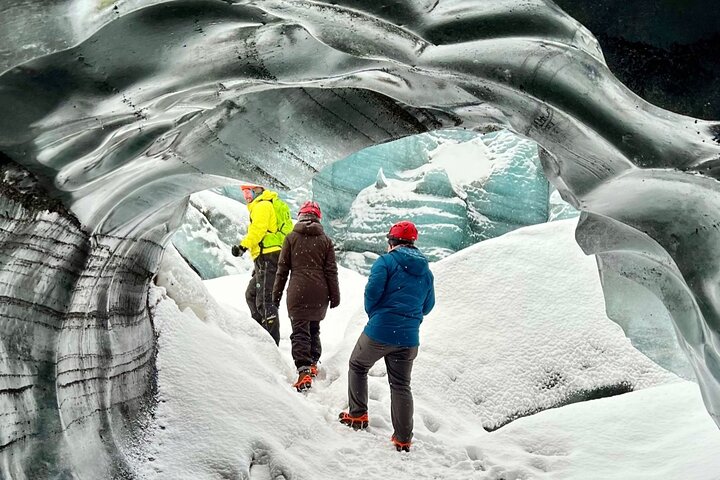
Winter is ice cave season. From November through March, the ice caves under Vatnajökull and Katla are open and accessible — but only via Super Jeep (modified 4x4 vehicles). The caves form new each winter as meltwater carves channels through the glacier, then collapse in spring. They're ephemeral, and no two seasons produce the same caves.
Daylight is the constraining factor. Iceland's south coast gets 4-6 hours of daylight in December, with the sun rising around 11 AM and setting by 3:30 PM. A day trip from Reykjavík to Jökulsárlón in December means driving 2+ hours in the dark each way, seeing the lagoon in low grey light for about an hour, then driving back in the dark. Do not do this. Stay overnight in Vík or Höfn instead.
What works in winter:
- Ice caves — the only season they exist. Book the 8 AM or 4 PM slot to avoid midday crowds of 40+ people.
- Northern Lights over Jökulsárlón — the lagoon is one of Iceland's premier aurora viewing locations with dark skies and water reflections.
- The South Coast and Glacier Hike Tour still operates in winter — glacier hiking is possible with the right gear, and the ice is often bluer in cold weather.
What doesn't: Jökulsárlón boat tours — they stop at the end of October and resume in April. Diamond Beach with offshore wind — no ice washes ashore. Self-driving without winter tyres and experience on icy roads. The road to Jökulsárlón closes in severe weather — always check road.is before departing.
"February 2020. I drove 5 hours from Reykjavík to Diamond Beach expecting a beach covered in ice diamonds. Found three small chunks of ice and a lot of black sand. The wind had been blowing offshore for three days. A local photographer told me she checks the wind forecast, not the weather, before going. Diamond Beach is wind-dependent. Check windfinder.com before you drive."
— February 2020, Diamond Beach
Spring (April–May): Shoulder Season With Variables
Spring is the most variable season. April can still feel like winter — snow on the roads, ice caves still open early in the month, boat tours not yet running. By late May, boat tours have resumed, daylight stretches past 18 hours, and the landscape turns green. It's a good window for budget travellers — prices are 20-30% below summer peaks, and the crowds haven't arrived yet.
What works: Glacier hikes resume fully by May. The south coast drive is manageable with long daylight. You can combine a glacier hike with south coast sightseeing without the summer crush. Accommodation is cheaper and more available.
What doesn't: Ice caves — most collapse by mid-April. Jökulsárlón boat tours don't start until May at the earliest. April weather is deeply unpredictable — you can get blizzards and sunshine in the same afternoon. Road closures are still common in April, and some highland roads remain closed until June.
The best spring strategy: Visit in late May. You get boat tours, glacier hikes, nearly 20 hours of daylight, and prices that are 15-20% below June. The landscape is greener and more photogenic than mid-summer, which can look stark after the snow melts but before vegetation returns.
Month-by-Month Summary
| Month | Daylight | Boat Tours | Ice Caves | Glacier Hikes | Crowds | Best For |
|---|---|---|---|---|---|---|
| January | 4-6 hrs | No | Yes | Limited | Low | Ice caves, aurora, solitude |
| February | 7-9 hrs | No | Yes | Limited | Low | Ice caves, winter photography |
| March | 11-13 hrs | No | Yes | Yes | Low-Mod | Last ice cave month, longer light |
| April | 14-16 hrs | Late Apr | Early Apr | Yes | Moderate | Shoulder season value |
| May | 18-20 hrs | Yes | No | Yes | Moderate | Best value month — everything open, fewer crowds |
| June | 21-24 hrs | Yes | No | Yes | High | Midnight sun, maximum daylight |
| July | 20-21 hrs | Yes | No | Yes | Peak | Warmest month, all tours running |
| August | 16-18 hrs | Yes | No | Yes | Peak | Last summer month, still full daylight |
| September | 12-14 hrs | Yes | No | Yes | Moderate | Best overall — light, tours, aurora begin |
| October | 8-10 hrs | Late Oct | Late Oct | Yes | Low | Aurora, autumn colours, last boats |
| November | 5-7 hrs | No | Yes | Limited | Low | Ice caves resume, aurora peak |
| December | 4-5 hrs | No | Yes | Limited | Low | Ice caves, aurora, winter solitude |
Packing by Season
All year: Waterproof jacket and trousers, wool or synthetic base layers (never cotton), sturdy hiking boots with ankle support, sunglasses (glacier glare causes snow blindness even on cloudy days), sunscreen for chin and under nose (ice reflects UV upward).
Summer add: Light fleece, polarising filter for cameras (cuts lagoon reflections). You won't need a heavy parka for glacier hikes — a fleece and shell is enough once you're moving. Bring insect repellent for the Mývatn area if you're heading north.
Winter add: Two pairs of gloves (one will get wet), thermal base layers, insulated boots, a thermos of hot chocolate. The Jökulsárlón café is expensive and often closed — having a warm drink in hand while you watch icebergs is worth the weight. Crampons and helmet are provided by tour operators.
One tip that applies year-round: Book glacier hiking boots a half-size larger than your normal size. Feet swell at altitude and crampons tighten the fit. Don't wear brand-new boots on a glacier — the crampons need boots with solid ankle support and a stiff sole that's already been broken in.
Top Iceland Glacier Tours by Season
All products verified on Viator with real inventory.
Diamond Beach & Jökulsárlón Day Tour with Boat Ride
Best May–October • Full-day south coast tour with amphibious boat ride among icebergs
View on Viator →
Jökulsárlón Glacier Lagoon Private Tour
Best year-round • Private vehicle, flexible itinerary, ideal for winter aurora chasing
View on Viator →
South Coast Day Tour with Jökulsárlón & Glacier Hike
Best year-round (weather permitting) • Combines lagoon views with hiking on Sólheimajökull
Iceland Seasons — Common Questions
What is the best month to visit Iceland for glacier tours?
September. Boat tours still run through October. Ice caves haven't started yet, but glacier hikes are fully operational. The summer crowds have thinned, prices are 15-25% below peak, and the Northern Lights become visible from late August. You get 12-14 hours of daylight — enough for a comfortable south coast drive. If you want ice caves, push to November. If you want maximum daylight, June.
Can you visit Jökulsárlón in winter?
Yes, but the boat tours don't run from November through April. The lagoon is still visible from shore and the parking lot is open year-round. Diamond Beach is accessible, though ice depends on wind direction. Northern Lights over the lagoon are spectacular in winter. Do not attempt a day trip from Reykjavík in December — stay overnight in Vík or Höfn.
When is ice cave season in Iceland?
November through March. Most ice caves collapse by April and new ones form the following winter. The Katla ice cave is partially accessible year-round but the experience is different in summer (warmer, wetter, more crowded). Book the first (8 AM) or last (4 PM) slot of the day to avoid midday crowds of 40+ people.
Is it worth visiting Iceland in December?
For glacier tours specifically: only if you stay overnight near the lagoon. A day trip from Reykjavík in December means 10 hours on a bus and 60-90 minutes at the lagoon in low grey light. If you stay in Vík or Höfn and visit ice caves, that's a different story — December is excellent for ice caves and aurora.
What is the cheapest month to visit Iceland for glacier tours?
April and October. April: boat tours haven't fully resumed and ice caves are closing, but glacier hikes are running and prices are 20-30% below summer. October: boat tours run through late October, ice caves begin late October, and prices are low. The trade-off is shorter daylight (8-10 hours in October) and unpredictable weather.
Do glacier tours run year-round in Iceland?
Glacier hikes run year-round, weather permitting. Boat tours at Jökulsárlón run May through October. Ice cave tours run November through March. Icelandic tour operators only cancel in extreme wind or whiteout conditions — rain and moderate weather don't stop them.
Which Season Is Right for You?
Pick summer if...
- You want maximum daylight and all tour types available
- You're doing a day trip from Reykjavík and need the long daylight hours
- You want the Jökulsárlón boat ride among the icebergs
Pick winter if...
- Ice caves are your priority — this is the only season they exist
- You want Northern Lights over the glacier lagoon
- You're OK with short daylight, cold conditions, and staying overnight near the lagoon
Can't decide? Go in September. Boat tours, glacier hikes, autumn light, fewer crowds, aurora beginning, and prices 15-25% below summer.
Explore More
Related guides and comparisons: