First Time on a Glacier? Start Here
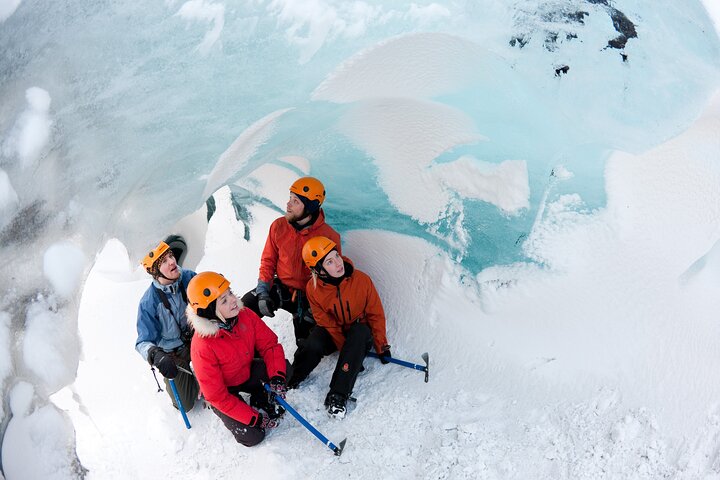
I've done glacier hikes in Iceland in rain, sleet, and once on a clear January morning where the ice looked blue enough to be a mistake. The gear is non-negotiable: crampons get strapped to your boots before you step on ice, and every operator I've used provides them. You show up in waterproof layers and hiking boots, they hand you a helmet and an ice axe, and a guide leads you onto the glacier in a single-file line. The first ten minutes feel awkward. The crampons catch on everything. By the second hour, you're walking on a 45-degree ice slope like it's a sidewalk.
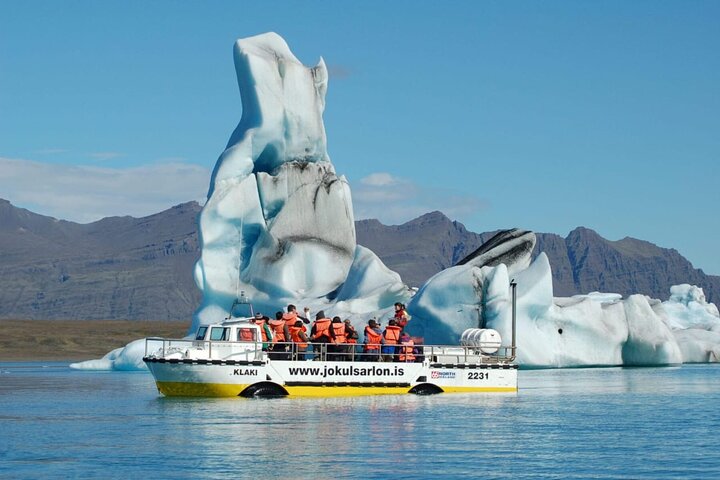
If you're working out Jökulsárlón versus other glacier sites, here's the honest breakdown. Jökulsárlón glacier lagoon sits about 380 km from Reykjavík — five hours by car, no matter how you slice it. The lagoon formed between 1934 and 1935 as Breiðamerkurjökull started retreating, and it's now Iceland's deepest lake at 248 metres. Icebergs calving off the glacier take five or more years to drift through the lagoon and out to sea, where some wash up on Diamond Beach right next door. Boat tours run April through October, while ice cave tours inside Vatnajökull (Europe's largest glacier by volume, covering 8% of Iceland) operate November through March. The one exception is the Katla ice cave near Vík, which stays accessible year-round because it's in a different volcanic system.
Choosing Your First Glacier Tour
Day tours from Reykjavík run 12 to 14 hours. That's a long day. If you can swing it, stay one or two nights near Skaftafell — it's part of Vatnajökull National Park and only 45 minutes from Jökulsárlón, which cuts your driving by at least four hours. South coast combo tours that include a glacier hike on Sólheimajökull work well for first-timers because the hike itself is about 1.5 hours on ice and beginner-friendly. I've watched nervous hikers in trainers get sorted out with proper boots at the base. The guides are patient with people who've never worn crampons before.
For something more focused, the small-group blue ice hikes spend closer to three hours on the glacier itself, which means more time looking at ice formations and fewer people crowding the same crevasse. If you're set on New Zealand instead, both Franz Josef and Fox Glaciers are walkable from the main road — Franz Josef is one of only three glaciers in the world that descend into temperate rainforest, and Fox Glacier is steeper and retreats faster. Since the Fox Glacier access road washed out years ago, the heli-hike is really the only practical way to get onto it now. Whatever you pick, book ahead for July through September. Walk-ups in summer are a coin flip.
One practical note on timing: Iceland's south coast gets two to four hours of daylight in December and close to 24 hours in June. Winter ice cave tours start in the dark and finish in the dark, which sounds grim but the blue ice actually photographs better against low light. Summer glacier hikes start at 8 or 9 AM and you'll have full daylight the entire time. Dress warmer than you think. Ice is cold regardless of season.