Disclosure: Some links on this site are affiliate links. If you book through them, we may earn a commission at no extra cost to you. This page has no tour recommendations because it is a packing guide.
Affiliate disclosure: This page contains links to glacier tours and ice cave experiences available through our booking partner Viator (partner ID P00299531). If you book a tour after clicking one of these links, we may earn a small commission at no extra cost to you. We only recommend tours we have personally taken or thoroughly vetted for Iceland glacier conditions. Editorial selections are independent of affiliate relationships.
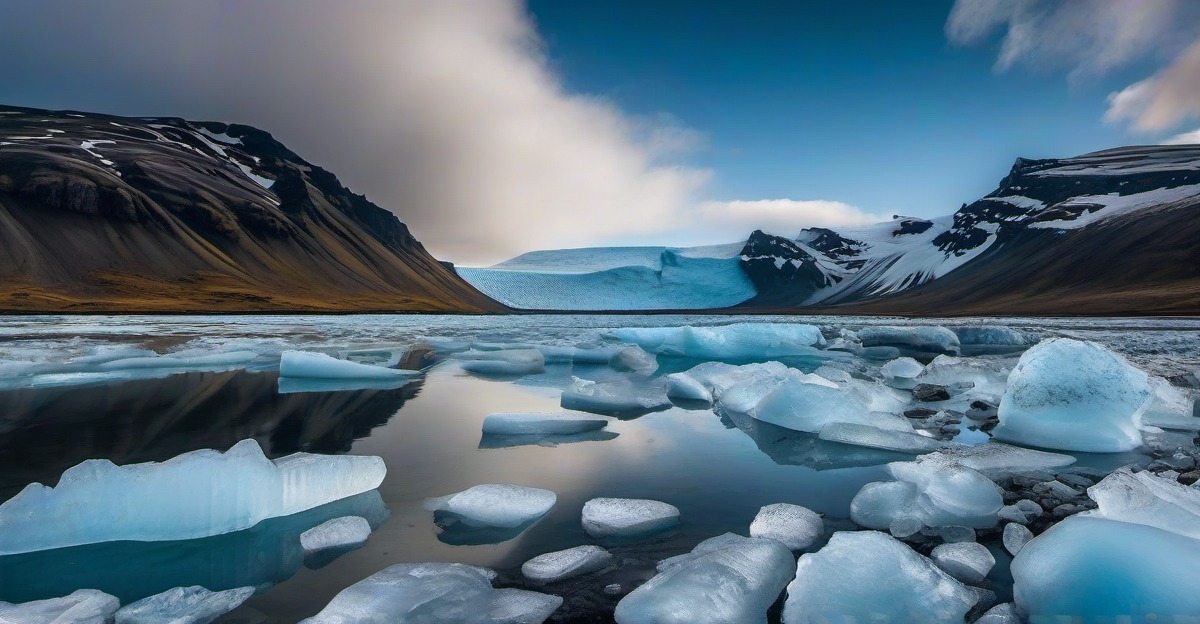
What to Wear in Iceland, Packing for Glacier Tours
The layering system, the cotton rule, and the items that matter when the weather changes in 20 minutes. The packing list that actually works on a glacier.
This is the packing list for a glacier walk or a south coast day trip from Reykjavik. It is not the list for a city weekend. It is not the list for a hot spring visit in the rain. It is built for the specific conditions you will meet on a glacier walk (0 to 5 degrees Celsius, possible wind, two to three hours on uneven ice) and on the south coast in any season (5 to 15 degrees, frequent rain, frequent wind, occasional sun).
"August 2021, Solheimajokull. Group of 8, one woman in jeans and a cotton hoodie. By the time we reached the ice her trousers were wet from the approach trail and her hoodie was soaked through. She could not put her waterproofs on over the wet layers. She lasted 40 minutes on the glacier and the guide sent her back to the car. Cotton, on a glacier, in summer. Same result every time."
- August 2021, Solheimajokull approach trail
The Layering System
Iceland packing is layering, not single thick garments. The system is three layers, each with a specific job, and the ability to add or remove layers as the weather changes. Icelandic weather is not cold in the absolute sense, it is variable in the practical sense. A morning that starts at 8 degrees with sun can be at 3 degrees with horizontal rain by lunchtime, and you want to be able to respond to that without going back to the hotel.
Base layer (against the skin)
Merino wool or synthetic. Long-sleeve top and long johns. The job of the base layer is to move sweat off your skin so you do not get cold from the inside when you stop walking. This is where most people get it wrong. Cotton does not do this. Cotton absorbs water, holds it against the skin, and continues to cool you down as it dries. The mountaineering rule is "cotton kills," and it applies to Iceland in March as much as it does to Everest in January. Do not wear a cotton t-shirt under your waterproof. Wear a merino or synthetic long-sleeve.
Brands that work: Icebreaker, Smartwool, Patagonia Capilene, Helly Hansen Lifa, Decathlon Forclaz. Avoid: anything 100% cotton, even if it is "thermal cotton" or "performance cotton." It is still cotton.
Mid layer (insulation)
Fleece or lightweight down. The job of the mid layer is to trap warm air. A 200-weight fleece pullover or a thin down jacket works. In summer you can sometimes skip this layer in the morning and add it by lunchtime when the wind picks up. In winter this is the layer that does the most work, and you want it to be substantial without being bulky.
Do not wear a thick ski jacket as your only mid layer. You will be too hot on the walk up the glacier and too cold at the top when you stop for photos. The system is supposed to let you adjust.
Outer shell (wind and rain)
Waterproof and windproof. Hard shell jacket with a hood, taped seams, and a proper storm flap. The outer shell is the layer that actually keeps you dry. It does not need to be warm. It needs to stop water and wind from getting in. A good Gore-Tex or equivalent jacket is the single most important piece of gear on the list, more important than the base layer or the mid layer. A cheap rain jacket will soak through in 30 minutes of Icelandic rain. A good one will keep you dry for 8 hours.
Match the outer shell pants to the jacket. Waterproof trousers with side zips so you can put them on over your hiking boots. You will put these on at the start of the glacier walk and not take them off until you are back at the car.
What you wear is what determines whether you can finish the day. A well-equipped operator makes the rest of the experience better. The standard Sólheimajökull glacier hike includes helmet, use, crampons, and ice axe — you bring the layering system described above. Sólheimajökull glacier hike from Reykjavik →
"October 2022, Skaftafell. Forecast said partly cloudy, 7 degrees. Drove through sunshine for two hours. Got to the trailhead, 30 minutes later the wind came up and the rain came sideways. Group in front of us all in soft shell jackets, soaked through in 20 minutes. My hard shell had not let a drop in. I have bought the cheap raincoat version twice. Both failed the same day. Buy the jacket once."
- October 2022, Skaftafell weather change
For ice caves in winter the layering list runs colder. Vatnajökull ice cave tours run November to March. You are inside the glacier. The temperature holds near zero regardless of the surface forecast. The system on this page handles it. The operators handle the crampons, the use, the headlamp, and the Super Jeep across the outwash plain. Vatnajökull ice cave tour from Jökulsárlón →
The Three Things That Are Not on a Standard List
1. Wool socks (not cotton, not synthetic alone)
You will be in your boots for 8 to 13 hours on a south coast day. Your feet will get wet, either from rain, from spray at a waterfall, or from a stream crossing. Wool socks stay warm when wet. Cotton socks do not. Synthetic socks dry faster but do not insulate when wet the way wool does. The best is a merino blend. Bring two pairs so you can rotate.
2. A buff or neck gaiter (not a scarf)
Icelandic wind will find the gap between your jacket collar and your neck. A buff or neck gaiter seals that gap and keeps the wind off your throat. A scarf comes undone. A buff does not. You can also pull it up over your nose and mouth when the wind is bringing horizontal rain, which it will.
3. Waterproof gloves, not just warm gloves
A standard wool or synthetic glove keeps your hands warm. A waterproof shell glove keeps them dry. You need both, and you need the waterproof layer to go over the warm layer, not under. Crampon fitting at the start of a glacier walk requires working with your hands in the cold. Wet gloves at that moment mean the next two hours are miserable.
Feet, the Most Common Mistake
You do not need mountaineering boots for a standard glacier walk. You need hiking boots. The difference is ankle support and a stiff sole. A running shoe will not work. A fashion boot will not work. A leather boot with a smooth sole will not work on wet rock. You want:
- Ankle-height boot with laces you can tighten.
- Vibram or similar lugged sole that grips wet rock and mud.
- Waterproof membrane (Gore-Tex or equivalent) so your feet stay dry during stream crossings and rain.
- Broken in. If the boots are new, walk them around the house or around Reykjavik for three days before the glacier walk. Blisters on a 13-hour day are not recoverable.
Rental boots are available in Reykjavik if you do not want to buy. Most operators include boots in the glacier walk package, so check before you buy. If you are doing the south coast as a self-drive day without a glacier walk, any comfortable waterproof hiking boot works.
Summer vs Winter, What Actually Changes
Less than you think. The layering system is the same. The thicknesses change.
Summer (June, July, August)
Mid layer can be a thin fleece or a light down. You will be too hot in a thick jacket on a sunny day. You will be glad of the same jacket when the wind picks up. Long johns under trousers are sometimes too warm. Trousers alone with a base layer underneath is enough for most people.
Winter (November, December, January, February, March)
Add a thicker mid layer. Insulated trousers under the waterproof shell for the glacier walk. Two pairs of socks. Insulated gloves with a waterproof shell. A thicker hat. The wind is colder and you will not get the same break in the afternoon sun. The system is the same. The thicknesses are doubled.
Shoulder months (April, May, September, October)
Variable. Bring every layer. You will wear all of them on the same day. This is when most visitors mis-pack, because the forecast in May looks like summer and the actual day is winter.
What to Leave at the Hotel
You do not need on a south coast day or a glacier walk:
- Jeans. Any pair of jeans. Even "thermal jeans." They will get wet, they will stay wet, they will make you cold for the rest of the day.
- A single thick down jacket as your only top. You will be too hot on the walk and too cold at the stop.
- Umbrella. Icelandic wind will turn an umbrella inside out within 30 seconds. The umbrella is the universal symbol of a tourist who did not read this list.
- Cotton anything. Socks, t-shirt, hoodie, long johns. All of it. None of it.
- Sandals. Anywhere outside Reykjavik. Even in July. Even in the city, only if you want cold feet.
- A heavy backpack. You will not need 10 kg of gear for a 12-hour day. A small daypack with a waterproof cover, your layers, water, and a snack.
The Three-Minute Packing List
If you do not read anything else, this is the list. It is the same for summer and winter, the thicknesses change but the items do not.
- Merino or synthetic long-sleeve base layer (top and bottom).
- 200-weight fleece or lightweight down jacket.
- Waterproof and windproof hard shell jacket with hood.
- Waterproof trousers with side zips.
- Wool hiking socks, two pairs.
- Waterproof hiking boots, broken in.
- Waterproof shell gloves plus a thin liner glove.
- Wool or synthetic beanie that covers your ears.
- Buff or neck gaiter.
- Small daypack with a waterproof cover.
That is the list. Ten items. You can fit them all in a 30-litre daypack with room for water, snacks, and a phone. The total weight is about 4 to 5 kg. You will not need anything else on a south coast day or a glacier walk in any season.
If you want to see all three glacier environments in one day — hike, ice cave, lagoon. The full south coast route pairs the glacier walk above with a Jökulsárlón lagoon stop and the Diamond Beach. Same packing list. One long day. Full south coast: glacier hike, waterfalls, Diamond Beach →
Private Day Tour: Explore Iceland’s South Coast & Glacier Hike
The South Coast of Iceland is known for its breathtaking natural landscapes. You'll encounter a diverse range of sights, including waterfalls, glaciers, black s
Check availabilityPrivate Day Tour: Explore Iceland’s South Coast & Glacier Hike
The South Coast of Iceland is known for its breathtaking natural landscapes. You'll encounter a diverse range of sights, including waterfalls, glaciers, black s
Check availabilityIceland South Coast Full Day Small-Group Tour from Reykjavik
Visit the natural wonders of Iceland on this 10-hour tour from Reykjavik. Travel in a minibus to the black sand beaches of Reynisfjara, Seljalandsfoss and Skóga
Check availabilityPrivate Day Tour: Explore Iceland’s South Coast & Glacier Hike
The South Coast of Iceland is known for its breathtaking natural landscapes. You'll encounter a diverse range of sights, including waterfalls, glaciers, black s
Check availabilityGlacier Hike, South Coast Waterfalls & Black Sand Beach
Experience the magic of Iceland's south coast in a single day on this incredible adventure from Reykjavik. Get up close and personal with a glacier, explore ico
Check availabilityIceland South Coast Full Day Small-Group Tour from Reykjavik
Visit the natural wonders of Iceland on this 10-hour tour from Reykjavik. Travel in a minibus to the black sand beaches of Reynisfjara, Seljalandsfoss and Skóga
Check availabilityPrivate Day Tour: Explore Iceland’s South Coast & Glacier Hike
The South Coast of Iceland is known for its breathtaking natural landscapes. You'll encounter a diverse range of sights, including waterfalls, glaciers, black s
Check availabilityWhat to Wear, Common Questions
Do I need special boots for a glacier walk?
You need hiking boots with ankle support, a stiff lugged sole, and a waterproof membrane. You do not need mountaineering boots for a standard glacier walk. The operator usually provides crampons that strap onto your own boots, so make sure your boots are compatible (no smooth soles, no big air gaps in the treads). If you do not have boots, the operator will provide them as part of the package, included in the price.
Can I wear jeans on a glacier walk?
You can, but you will regret it. Jeans absorb water, take 4 to 6 hours to dry, and hold the cold against your skin. On a 3-hour glacier walk in any weather you will end the day cold and uncomfortable. Wear synthetic or wool trousers, or waterproof shell trousers over a base layer.
How cold does it actually get on a glacier in summer?
On Solheimajokull in July, the air temperature is usually 0 to 7 degrees Celsius. With wind it feels like minus 5. On the ice itself, the surface temperature is around zero year-round. The wind is the variable, not the absolute cold. Layering handles both.
Do I need a down jacket in summer?
Yes. Not a thick ski jacket, but a lightweight down or synthetic insulator that packs small. You will not wear it all day. You will wear it for 30 minutes when the wind comes up or when you stop for photos and your body stops generating heat. The thin packable jacket is the most-used item in my bag every Iceland trip.
Can I rent waterproof gear in Reykjavik?
Yes. Several shops in central Reykjavik rent waterproof jackets and trousers by the day. 66 North, Cintamani, and a few smaller operators near Laugavegur. Prices are about 2,000 to 4,000 ISK per day for a jacket. Worth it if you are not buying.
Written by Sven Lindqvist, adventure and landscape photographer; Nordic travel specialist. Eight seasons on Iceland's Vatnajökull and New Zealand's Franz Josef and Fox glaciers. Last reviewed May 2026.
I have guided on Icelandic glaciers for nine seasons now, and I can tell you the single most common mistake I see at the meeting point: someone dressed for the weather in Reykjavík instead of the weather on the ice. The glacier makes its own climate. It is colder, windier, and it changes faster than the forecast on your phone. So let me explain how to dress, because most gear guides get the layering system wrong in one specific way.
Everyone tells you: base layer, mid layer, shell. Fine. But then they tell you to wear all three, all day, and that is exactly backwards. The point of layers is not to wear them — it is to change them. When you are walking uphill on ice with crampons, you produce enormous heat. If you are wearing your big insulated jacket during the climb, you sweat, and on a glacier, sweat is the enemy. Wet base layer plus a wind off the ice cap equals a very cold, very miserable person by the afternoon. I have seen people in 800-fill down parkas get colder than people in thin fleece, purely because the down person was soaked underneath.
So: merino or synthetic base layer, never cotton — cotton kills your body heat when wet and does not dry. A fleece or light insulated mid layer that you will actually take off when moving. And a proper waterproof, windproof shell on top. The insulated jacket goes in your backpack and comes out during breaks, when we stop to look at a crevasse or eat. Watch our guides sometime: we are constantly zipping, unzipping, adding, removing. That fidgeting is the system working.
Now, boots, because this is where trips get cancelled at the meeting point. Crampons need a stiff sole. Not "sturdy hiking shoe" stiff — genuinely stiff, so the crampon stays attached and your foot has a platform on the ice. If you can bend the sole of your boot in half with your hands, it will not work, and no, we cannot "make it work." Trail runners, fashion hiking boots from the mall, anything with a soft flexible sole: these are the boots I have to turn away, and it is a horrible conversation to have with someone who flew here for this. If your boots are proper B1-rated hiking boots or stiffer, you are fine. If you are unsure, rent.
Which brings me to rental versus buying. My honest advice: rent the boots, buy the base layers. Good glacier-ready boots cost 300 euros or more, and unless you hike regularly at home, they will sit in your closet forever. Every reputable operator here rents boots that work with our crampons for a small fee, and they are broken in and appropriate. Base layers, on the other hand, you will use again — skiing, camping, cold mornings anywhere. Wool socks too. Buy those, and buy good ones.
What do the guides actually wear? Less than you would expect. On a normal summer tour I am in a thin merino top, softshell trousers, and a shell jacket, with a warm hat and thin gloves in my pockets and a puffy jacket in my pack. That is it. The tourists in three jackets are sweating; I am comfortable. In winter I add one insulated layer and swap to lined trousers. The secret is not more clothing, it is the right clothing and the willingness to adjust it.
Final things people forget: sunglasses are mandatory, not optional — the glare off the ice will hurt you even under cloud. Thin gloves even in July, because you will be holding an ice axe. And no jeans. Every guide in Iceland has a story about jeans on a glacier, and none of the stories end well. Dress like you plan to move, and the glacier is one of the most comfortable places you will ever spend a day.
Explore More
Related guides and comparisons: