Some links on this page are affiliate links. We may earn a commission if you book through them, at no extra cost to you.
Affiliate disclosure: This comparison contains links to glacier tours in both Iceland and New Zealand through our booking partner Viator (partner ID P00299531). If you book after clicking, we may earn a small commission at no extra cost to you.
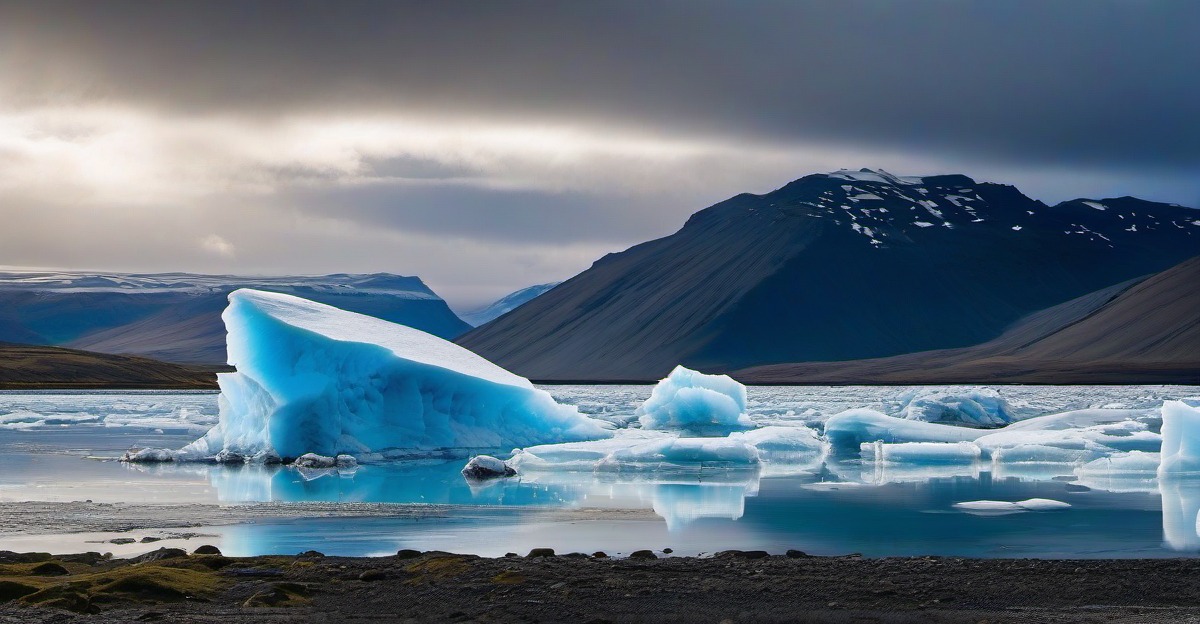
Iceland vs New Zealand Glaciers, Which Country Wins?
Walk-on ice in cold air vs helicopter into rainforest. Blue caves vs white seracs. Climate access, cost, and the two cases where the answer is not what you expect.
Below is the side-by-side comparison of the seven variables that determine the experience: access, colour of ice, weather, time required, price, season, and the things the other country cannot copy.
Access, Walk-On vs Heli-Hike
This is the biggest difference and the one nobody warns you about. Iceland glaciers are walk-on from a car park with a guide, crampons, and an ice axe. You drive to the edge of the glacier, fit the gear, walk out onto the ice. It is a 2-3 hour round trip with the time on ice.
New Zealand glaciers are in rainforest, the glacier faces are retreating, and the only safe access for a non-mountaineer is by helicopter. You book a heli-hike. The helicopter drops you and 4-11 other passengers on a flat section of the glacier. You spend 2 hours on the ice. The helicopter picks you up. The flight in and out is roughly 20 minutes and crosses the rainforest and the lower glacier moraine.
Iceland walk-on format
- Drive up, fit crampons, walk on.
- No flight cost. Lower headline price.
- Time on ice: 1.5-3 hours.
- Surface: moulins, crevasses, ice ridges, sometimes volcanic ash layers.
- Group size: 6-12.
New Zealand heli-hike format
- Drive to the heliport, fly in, walk on.
- Flight cost is roughly half the tour price.
- Time on ice: 2-2.5 hours, plus 20 min flight each way.
- Surface: white seracs, blue crevasses, ice cliffs.
- Group size: 4-11.
Franz Josef heli-hike, the New Zealand benchmark: Most-booked glacier heli-hike on the West Coast. Ice time plus scenic flight over the glacier and rainforest. Franz Josef Glacier Heli-Hike →
Colour of the Ice
Iceland glaciers are blue. The compressed ice absorbs red light and reflects blue, and the deeper the ice the bluer it gets. Iceland has ice caves because the meltwater carves tunnels through the glacier, and you can walk inside chambers that glow blue. This is the visual signature of Iceland, and it is the thing New Zealand cannot replicate at glacier scale.
New Zealand glaciers are white at the surface, blue when you look into crevasses. There are no walk-in ice caves on the West Coast glaciers. The blue is in cracks and seracs, not in chambers. Franz Josef and Fox are beautiful but visually different products.
Both countries have blue ice inside the glacier system. Iceland's is more accessible.
The Iceland ice cave, the visual signature product: Blue chamber inside Vatnajokull, accessed by Super Jeep. Only exists November to March each winter. Vatnajokull Ice Cave and Glacier Hike →
Climate and Setting
Iceland glaciers are sub-polar. Air temperatures in summer are 0-7 degrees Celsius on the ice, colder at elevation. You are above the tree line. Vegetation stops at the car park. The landscape is volcanic: black sand, basalt cliffs, geothermal vents.
New Zealand glaciers are temperate. Fox and Franz Josef descend into temperate rainforest. Air temperatures on the ice in summer are 5-12 degrees Celsius. The landscape is rainforest and steep mountain valleys. You can be on a glacier in a t-shirt in February.
This affects packing, weather tolerance, and what else you do on the trip. New Zealand glacier days pair with hiking and kayaking. Iceland glacier days pair with waterfalls, lagoons, and the rest of the south coast loop.
Cost, Time, and the One Calculation That Matters
Iceland glacier day (from Reykjavik)
- Walk-on glacier hike: ~$80-$110 per person
- Ice cave day (winter only, Super Jeep): ~$200-$280 per person
- Day tour with transport from Reykjavik: ~$170-$260 per person, all included
- Day length: 10-14 hours
New Zealand glacier day (from Franz Josef village)
- Franz Josef heli-hike: ~$300-$450 NZD per person, ~$185-$275 USD
- Fox Glacier heli-hike: ~$300-$420 NZD, ~$185-$260 USD
- Day tour with glacier plus glacier hot pools: ~$200-$280 USD
- Day length: 4-6 hours
Surface price looks comparable once you convert currencies. The real difference is the day length. An Iceland glacier day from Reykjavik is a 12-hour commitment. A New Zealand glacier day in the West Coast is half a day, leaving afternoon for hot pools, helicopter scenic flights, or the road south. That difference matters more than the price for most travellers.
Season Windows
Iceland glacier hikes run year-round, with reduced frequency in deep winter (December-January) when daylight hours shrink below 5. Ice caves only exist November to March, and the two middle months (January and February) are the best. Most operators close their cave tours entirely outside that window.
New Zealand glacier heli-hikes run year-round but are weather-dependent. Franz Josef and Fox are wet-temperate glaciers in rainforest and fog closes the heliport 1-2 days per week even in summer. Most heli-hike bookings carry a "weather refund or rebook" clause. Book the first day of a multi-day West Coast stay so you have a fallback.
Decision Rules
- Choose Iceland if you want walk-on access, you want blue ice caves, you are on a north Atlantic itinerary, or you are doing the south coast loop from Reykjavik.
- Choose New Zealand if you want a half-day experience that pairs with hiking or hot pools, you are sensitive to cold weather on the ice, or you are doing a South Island road trip and the West Coast is already on the route.
- Combine both if you have a long trip and the budget supports it. The Iceland blue caves and the New Zealand heli-hike complement rather than duplicate each other.
Sólheimajökull glacier hike, the Iceland benchmark: Walk-on experience, 2 hours on the ice, from Reykjavik as a south coast day or from Vik as a half-day. Sólheimajökull glacier hike from Reykjavik →
Written by Sven Lindqvist, adventure and landscape photographer; Nordic travel specialist. Eight seasons on Iceland's Vatnajökull and New Zealand's Franz Josef and Fox glaciers. Last reviewed July 2026.
Explore More
Related pages on the rest of the site:
Private Day Tour: Explore Iceland’s South Coast & Glacier Hike
The South Coast of Iceland is known for its breathtaking natural landscapes. You'll encounter a diverse range of sights, including waterfalls, glaciers, black s
Check availabilityExplore More
Related guides and comparisons: