Some links on this page are affiliate links. We may earn a commission if you book through them, at no extra cost to you.
Affiliate disclosure: This page contains links to guided glacier tours on Viator (partner ID P00299531) where only travellers join small groups. If you book after clicking, we may earn a commission at no extra cost to you.
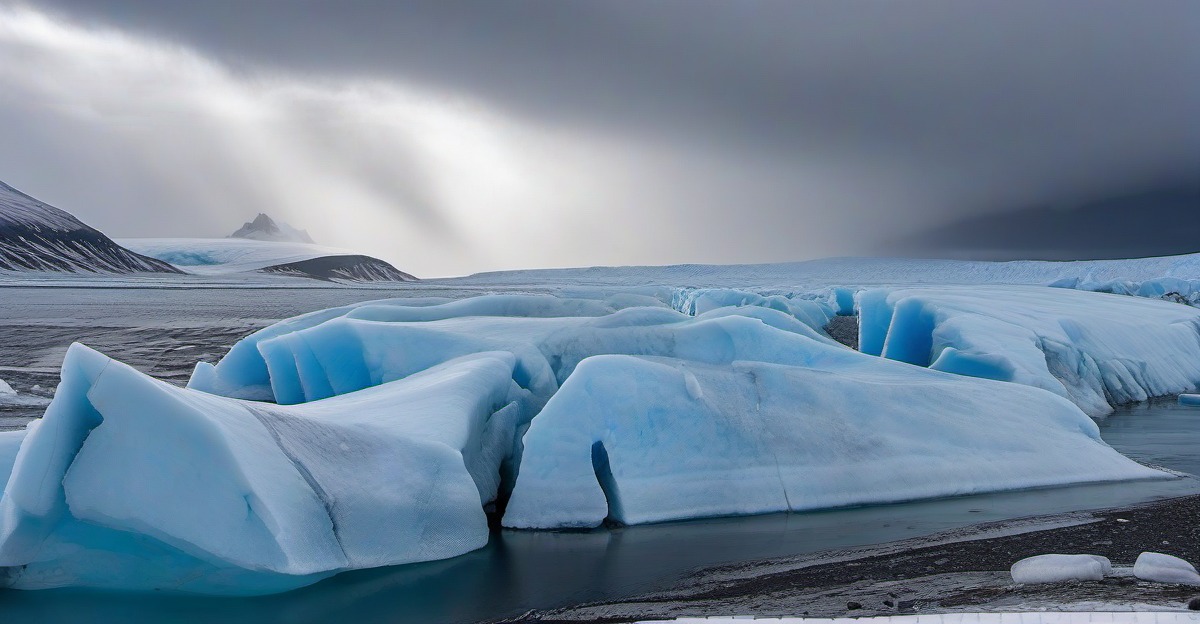
Only Travel Glacier Tour Iceland, Alone but Not Alone
>The single supplement is smaller than you think. The group tour is a feature, not a bug. The two places where only is harder. The honest Iceland guide for one.
Below is the breakdown for only travellers: the cost model, the best tour format for one, the safety considerations specific to one person, and the social layer that guided group tours provide.
The Money, Single Supplement vs Group Tour
Most tour pricing in Iceland is per person. There is no double-occupancy discount on guided day tours from Reykjavik, no single supplement on the boat tours, no penalty for being one person in a 12-person van. The cost of a only glacier day is the same as the cost of one-half of a couple's day. So while a couple pays ~$200 each to share the south coast van, a only traveller pays $200. The per-person price is the same. The per-household budget is half.
Where the single supplement does apply is accommodation. A double hotel room in Reykjavik averages 25,000-35,000 ISK/night. You pay the full amount whether you fill it or not. Hostels in dorm rooms start around 8,000 ISK/night. Guesthouses with shared bathrooms start around 15,000-20,000 ISK/night. The accommodation is the line item that doubles for only travellers, the tours and transport do not.
Five-day Iceland sample budget (only, summer 2024)
- Accommodation (4 nights, hostel dorm): 32,000 ISK / ~$230
- South coast glacier walk + boat tour (1 day): 28,000 ISK / ~$200
- Guided ice cave or second glacier day: 22,000 ISK / ~$158
- Rental car for 2 self-drive days (split with another traveller): 14,000 ISK / ~$100
- Food (groceries plus 2 restaurant meals): 24,000 ISK / ~$170
- Petrol (2 days): 8,000 ISK / ~$58
- Total for 5 days: ~$915 USD
The same trip for a couple: ~$1,350 USD. Two-person travel is more efficient, but the gap is mostly accommodation, not tours.
The Best Tour Format for Only
The guided day tour is the right product for only travellers in Iceland for three reasons:
- You meet other travellers. The van or boat is the social layer. Most Iceland only travellers book group tours specifically because they do. A full-day south coast tour with a small group is one of the easier environments in the world to meet like-minded people.
- You do not need to drive. The single biggest risk for only travellers in Iceland is winter driving. A guided tour takes that variable off the table.
- The guide leads. You do not have to plan the route, time the stops, or negotiate parking. You show up, you walk on a glacier, you go home.
The wrong format is the rental car for self-guided glacier work. Iceland glaciers are not safe without a guide, and the rental car plus the rule "only drivers should not drive Iceland's F-roads in any season" covers most of the off-glacier risks too.
The standard south coast day from Reykjavik, ideal for only travellers: Small group, picked up in central Reykjavik, Sólheimajökull walk-on glacier hike, Vík lunch, Diamond Beach and Reynisfjara in the afternoon. South coast + glacier hike day tour →
The Safety Considerations for Only
Driving
The biggest risk. Only drivers should:
- Not drive the Ring Road in winter (November-March) unless experienced with Icelandic conditions.
- Check road.is and vedur.is before every departure.
- Tell the accommodation where they are going and when they expect to arrive.
- Carry a charged phone, a paper map (data runs out in the Highlands), and warm layers.
- Stay overnight in Höfn or a Jökulsárlón guesthouse if doing the south coast + ice cave combination, rather than drive back to Reykjavik the same day.
On the glacier
Guided is mandatory for only travellers. No operator in Iceland will take a only traveller onto a glacier without being part of a guided group. The group format already handles the safety considerations. The companion aspect is built into the booking.
Accommodation
The Icelandic hostel network is clean, safe, and social. Reykjavik's Kex, Loft, and Bus Hostel are popular only bases with common kitchens. Höfn has a smaller set of guesthouses where only travellers often end up talking to each other over breakfast. Use Booking.com or Hostelworld filters for only-friendly properties.
The Two Cases Where Only is Harder
- Winter self-drive on the south coast is the single hardest Iceland product for only travellers. The day length, the black ice, the unfamiliar car, and the lack of someone to share the driving all compound. Use guided tours for the south coast in winter and skip the rental car. The cost penalty is small, the safety gain is large.
- Overnight photography in remote locations (Vatnajökull ice cave at midnight in February, sunrise at Sólheimajökull in deep winter) is hard only because the activity is remote and requires driving in the dark. Most photographers doing this either go with a guide or pair up with another traveller.
Outside of those two configurations, Iceland is well set up for only travellers.
When to Visit Only
June to early August are the best only months. Long daylight, stable weather, full tour schedule, hostels at their most social. The shoulder months (May, September) are quieter socially but still work. Winter only is more specialised and usually paired with Northern Lights photography or ice cave specific trips.
Booking Notes
- Group size on day tours: South coast day tours from Reykjavik typically cap at 14-19. Glacier walks inside the day tour are smaller groups of 6-12.
- Single rooms in hostels: Some hostels offer single rooms for a premium. Cheaper than a hotel, more privacy than a dorm.
- Add-on options: Boat tours, ice cave tours, and the Blue Lagoon all scale one-person cleanly. No supplements.
- Last-minute bookings: Only travellers have the most flexibility to book last-minute because singles fit into any tour capacity. The rule for them is the opposite of couples: book the accommodation first, the tour the day before.
A Sample 5-Day Only Iceland Glacier Trip
- Day 1: Arrive Reykjavik, hostel check-in, walk the old town and Hallgrímskirkja. Dinner at a casual restaurant, no reservations needed.
- Day 2: South coast guided day tour (Sólheimajökull, Vík, Reynisfjara). Back to Reykjavik by 8 PM.
- Day 3: Snæfellsnes day tour or rental car self-drive. Kirkjufell mountain, black church at Búðir.
- Day 4: Bus to Jökulsárlón, stay overnight in Höfn. Zodiac boat tour, Jökulsárlón lagoon. (Optional: ice cave tour in winter.)
- Day 5: Bus back to Reykjavik via Vík. Stop at the lava field Eldhraun. Evening flight home.
Written by Sven Lindqvist, adventure and landscape photographer; Nordic travel specialist. Eight seasons on Iceland's Vatnajökull and New Zealand's Franz Josef and Fox glaciers. Last reviewed July 2026.
Explore More
Related pages on the rest of the site:
- South Iceland Day Trip
- Jökulsárlón Glacier Lagoon
- Guided vs Self-Drive
- Iceland Trip Planning
Private Day Tour: Explore Iceland’s South Coast & Glacier Hike
The South Coast of Iceland is known for its breathtaking natural landscapes. You'll encounter a diverse range of sights, including waterfalls, glaciers, black s
Check availabilityI get the same email every week: "I'm travelling alone, is it safe to hike a glacier by myself?" And my answer is always the same — travelling solo, yes, absolutely. Walking onto a glacier solo, no, and I say that as someone who has done solo expeditions across Vatnajökull. The difference is that I did those trips after years of guiding, with crevasse rescue training, a satellite beacon, a filed route plan, and honestly, still with more luck than I'd like to admit. A glacier is not a mountain trail. The dangerous parts are invisible. A snow bridge over a thirty-metre crevasse looks exactly like solid ground, and moulins — the drainage holes where meltwater disappears into the ice — can be hidden under a few centimetres of fresh snow. If you fall in alone, nobody is pulling you out. This is not me being dramatic. We recover people, or we don't, most years.
The good news is that solo travellers are the easiest people to accommodate in Iceland, because glacier tours here are built around small mixed groups. You book one spot, you show up, and you're on the ice within the hour with crampons, a helmet, and an ice axe included in the price. For a first glacier, I'd point you at Sólheimajökull on the south coast — it's two and a half hours from Reykjavík, tours run daily year-round, and the walk itself is forgiving while still being genuinely dramatic, all black ash bands and blue ice. If you have more time, go east to Skaftafell in Vatnajökull National Park. The tours on Falljökull and Svínafellsjökull are, in my biased opinion, the most beautiful day walks in the country. Icelandic Mountain Guides, Troll Expeditions, and Glacier Guides all run good operations out there. Expect around 10,000 to 15,000 ISK for a three-hour walk, roughly double that for a longer day or an ice cave trip in winter.
Here is the thing nobody tells you about solo travel on a glacier tour: the rope group does the socialising for you. You spend three hours physically tethered to strangers, taking turns crossing the same ridge, holding each other's cameras, sharing the same small terror on the first steep descent. I have watched more friendships start on Falljökull than in any Reykjavík bar. If meeting people is part of why you're travelling alone, book the small-group tours — eight to ten people — rather than the big bus operations. The minibus ride from Reykjavík is long, and long minibus rides make fast friends. Several of my regular guests met each other as solo travellers on my tours and now come back together.
Gear, since you'll be packing for one and carrying everything yourself. The technical kit — crampons, helmet, axe, harness — comes from the tour operator, so don't buy any of it. What you need is stiff-soled hiking boots that the crampons can actually grip onto (most operators rent boots if yours are soft, ask when booking), a proper waterproof shell top and bottom, wool or synthetic layers and never cotton, warm gloves plus a thin spare pair, sunglasses, and sunscreen even in October, because ice reflects light straight up at your face. Solo hikers on the regular trails around Skaftafell should also do what every Icelander does: file a travel plan at safetravel.is before heading out. It takes two minutes and it is the difference between search and rescue knowing where to look and not.
If after a guided walk or two you catch the ice bug and start dreaming about unguided glacier travel — good, I understand completely, it is the best feeling I know. The honest path there is a crevasse rescue course, winter navigation skills, and a partner, because glacier travel is a team sport even for the antisocial. Solo doesn't have to mean alone on the ice. It means you chose your own trip, and choosing to be roped to good people is part of doing it well.
People keep emailing me the same question, so let me just answer it here: yes, you can do glaciers alone, and no, you shouldn't do the actual ice alone. Those are two different things. Travel solo, hike guided. On the ice itself, I want you roped to someone who has done this a thousand times, because a moulin does not care how independent you are. Off the ice, Iceland is possibly the easiest country in the world to travel by yourself, and I say that as someone who watches solo travellers arrive nervous on Monday and leave planning their return trip on Friday.
For operators, I'll be honest about who I'd send my own sister to. Icelandic Mountain Guides run small-group glacier walks from Skaftafell that work beautifully for solo joiners — you're absorbed into a group of eight or ten within minutes, and their guides are trained to notice the person standing slightly apart. Troll Expeditions and Glacier Guides both run Sólheimajökull trips that pick up in Reykjavík, which matters if you haven't hired a car. If you want the ice caves in winter, book with Local Guide of Vatnajökull out of the southeast — family operation, they know Breiðamerkurjökull the way I know my own kitchen. What I'd avoid is anything that promises a "private glacier experience" at a suspiciously low price. Good guiding costs money because good guides cost money.
Where to sleep: the hostel situation near the glaciers has improved enormously since I started guiding. Skaftafell has the campsite, but for a bed, look at Vagnsstaðir Hostel between Jökulsárlón and Höfn — quiet, cheap by Icelandic standards, and full of exactly the kind of solo hikers you'll end up sharing a car with for the rest of your trip. Vík HI Hostel puts you close to Sólheimajökull and Mýrdalsjökull, and the communal kitchen there has produced more travel friendships than any app. In Höfn itself, the HI hostel is walkable to the harbour, and eating langoustine soup alone at a counter in Höfn is not sad, it is correct.
Gear. You do not need to buy crampons — your tour operator provides crampons, harness, helmet, and ice axe, always, and if they don't, walk away. What you need to bring is everything else, and if your airline ate your luggage or you simply don't own proper boots, Reykjavík will rent them to you. Iceland Camping Equipment on Barónsstígur rents hiking boots, waterproof shells, and sleeping bags by the day. Gangleri Outfitters near the old harbour does the same and the staff actually ask where you're going before handing you gear, which I appreciate. Fjallakofinn on Laugavegur is more of a shop than a rental house, but they'll sort you out with wool base layers, and please buy the wool. Cotton on a glacier is how you meet our search and rescue teams, who are lovely people you should never meet professionally.
One last thing, because I promised myself I'd stop lecturing and I'm going to break that promise once. Before any solo day — even a "just a short walk" day — file your travel plan at safetravel.is. It takes three minutes. It is run by ICE-SAR, the volunteers who come find you when the weather turns, and the weather here turns like a mood. I've guided for eleven seasons and I still check vedur.is twice before breakfast. Solo doesn't mean unsupported. It means you get to choose your support, and choose the sunrise you watch alone from the terminal moraine with nobody talking. That part, I'll admit, is worth all the emails.
Explore More
Related guides and comparisons: