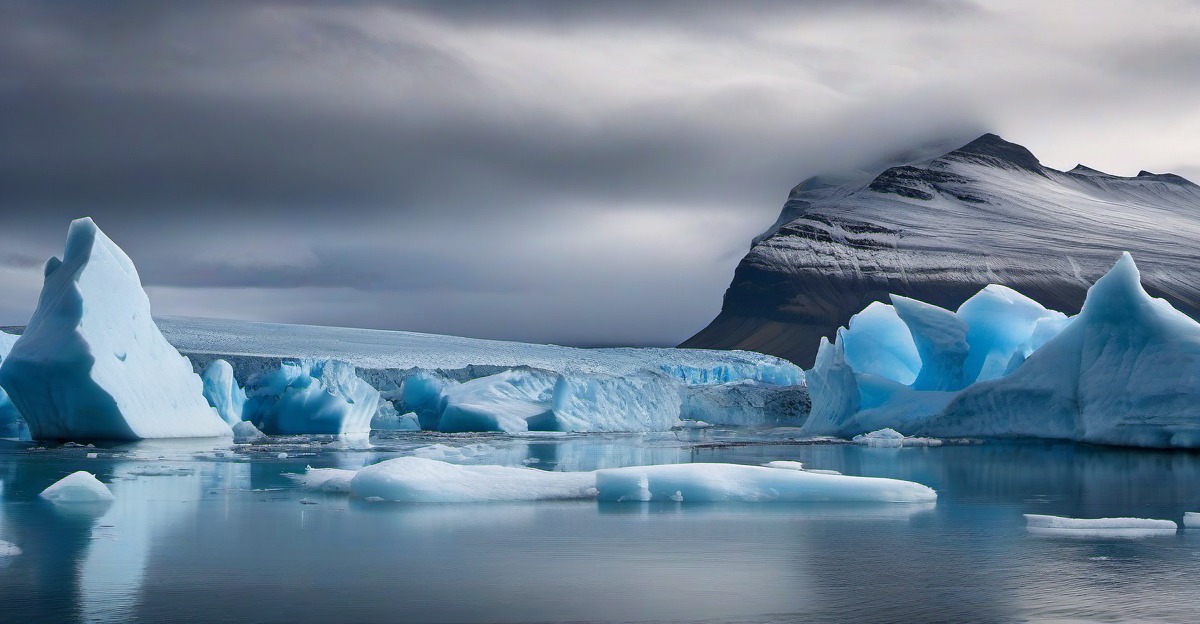
People ask me this almost every week. They have seen photographs of a blue ice cave and photographs of a helicopter landing on a river of ice, and they want to know which country to book. The honest answer is that Iceland and New Zealand are not competitors. They are two entirely different experiences that happen to both involve glaciers. One is built around winter. The other is built around rainforest and rotor blades. Once you understand that, the choice makes itself.
We earn a commission when you book through our links on Viator (PID P00299531), at no extra cost to you.
I have spent more than twenty years leading groups across Icelandic ice, and I have travelled to the West Coast of New Zealand's South Island to walk Franz Josef and Fox for myself. What follows is not marketing. It is what I would tell a friend. If you already know you are drawn to the frozen north, our Iceland glacier and ice cave tour on Vatnajokull is the single best introduction I can point you toward, and I will explain why below.The quick comparison
| Iceland | New Zealand | |
|---|---|---|
| Glacier type | Vast ice caps, cold and slow moving. Vatnajokull covers 8,100 sq km, the largest in Europe. | Temperate, steep valley glaciers. Franz Josef and Fox are among the fastest moving in the world. |
| Accessibility | Drive to the glacier edge on the Ring Road, then walk on. Very approachable. | The good ice is high up. Serious glacier access is by helicopter. |
| Best season | November to March for ice caves and Northern Lights. | Year round, with a summer peak from November to March. |
| Signature activity | Blue ice cave exploration under the glacier. | Helicopter heli-hike landing on the ice at 800 metres. |
| Cost | Moderate. Glacier hikes are affordable, ice caves cost more. | Higher. The helicopter is the reason, and it is worth it. |
| Flight time from UK / Europe | About 3 hours from London. Very close. | 24 hours or more. A genuine long haul journey. |
| Who it is for | Winter travellers, aurora chasers, short-break seekers. | Summer adventurers who want the flight and the rainforest. |
Iceland: a winter country hiding in summer
Iceland's glaciers are ice caps. They are enormous, ancient and relatively gentle underfoot. Vatnajokull is the giant, covering 8,100 square kilometres, the largest ice cap in Europe and the beating heart of glacier tourism in the country. From it flow dozens of outlet tongues, and it is on these tongues that most visitors take their first steps onto ice.
The signature experience is the ice cave. Every winter, meltwater carves tunnels and chambers beneath the glacier, and the light that filters through the ceiling turns the walls an unreal electric blue. But there is a catch, and it is the most important thing on this page. The ice caves collapse every spring and reform every winter. No two seasons are the same. They are only safe to enter from roughly November to March. In summer that blue world simply does not exist.
For a first taste of walking on ice, the Solheimajokull tongue on the south coast is ideal. It is close to Reykjavik, easy to reach, and gives you crampons, a rope and a real sense of a living glacier without demanding a helicopter or a full expedition. It is where I take beginners.
Here is the honest framing. Iceland is a winter destination hiding in summer. The ice caves are only accessible November to March. In summer you walk on grey ice under 20 hours of daylight. It is a different experience entirely. Neither is wrong, but if you come in July expecting glowing blue caverns, you will be disappointed. Come in January, add the Northern Lights, and Iceland has few equals on this planet.
New Zealand: the glacier you fly onto
New Zealand does everything differently. Franz Josef and Fox are temperate glaciers, steep and dramatic, and they are among the fastest moving glaciers in the world. Franz Josef advances 10 times faster than most glaciers. The ice is blue and the approach is through temperate rainforest. You go from fern trees to ice in 90 minutes.
That last detail is what makes New Zealand unforgettable. Nowhere else do you stand among ferns and moss one moment and, a short flight later, walk across a crevassed blue glacier the next. The helicopter is not a luxury add-on here. It is the way you reach the good ice at all. Heli-hikes land on the ice at 800 metres, well above the unstable lower terminus, and drop you into a landscape of pressure ridges, seracs and meltwater pools that you could never reach on foot.
New Zealand is a year-round glacier destination. Franz Josef gets 5 metres of rainfall a year. You will get wet. The heli-hike is the signature experience and worth every dollar. If you are the kind of traveller who wants the whole cinematic package, the flight, the rainforest, the crampons on blue ice, then this is your country. Our Franz Josef glacier heli-hike is the experience I recommend to anyone making the long journey south.
How to actually choose
Start with the calendar, because season decides almost everything. If you can only travel in the northern winter, Iceland is the obvious answer. You get the ice caves, you get the aurora, and the flight from Europe is short enough to make a long weekend viable. If you are travelling in the southern summer, or you are already crossing the world to reach the antipodes, New Zealand rewards you with the heli-hike and scenery you will find nowhere else.
Then think about distance and budget. Iceland is roughly three hours from London and the glacier hikes are genuinely affordable. New Zealand is a full day of flying and the helicopter pushes the cost higher. Both are worth it. They are simply worth it for different reasons and different travellers.
Finally, be honest about what you want to feel. Iceland is elemental, spare and Arctic, a place of black sand, blue ice and green skies. New Zealand is lush, wet and vertical, ice hanging above rainforest. I love guiding in both. I just never pretend they are interchangeable.
The verdict
Choose Iceland for ice caves and Northern Lights in winter. Choose New Zealand for glacier heli-hikes and rainforest scenery in summer.