A glacier hike in Iceland in July and a glacier hike in January are different products. The summer version runs in cold but pleasant weather, often with sun, on a glacier that is melting visibly during the day, accessible by a half-day tour from Reykjavik with no special equipment. The winter version runs in deep cold, in the dark, and is paired with a blue ice cave that only exists for those three to four months. They share the same crampons and the same ice axes but they do not share the experience. After eight winters and eight summers on Vatnajokull and Solheimajokull, the comparison I draw for friends is not "summer is better" or "winter is better." It is "what does the day look like, and is that the day you want to have." This page is the season-by-season breakdown of light, weather, ice conditions, equipment, and the one experience that only happens in one of them.
Affiliate disclosure: This page contains links to glacier hike tours available through our booking partner Viator (partner ID P00299531). If you book after clicking, we may earn a small commission at no extra cost to you. We only recommend tours we have personally taken or thoroughly vetted.
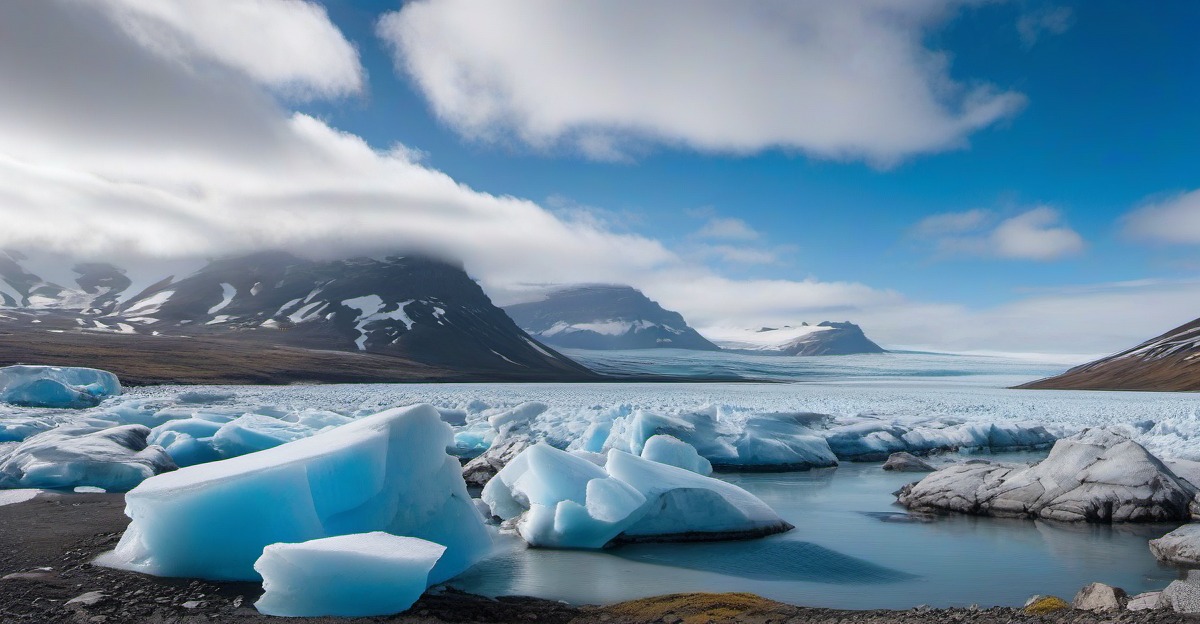
Summer vs Winter Glacier Hike in Iceland, Which Season Wins?
>The same product, two very different days. Daylight, ice conditions, gear, crampons, and the cave that only exists in one of them.
Below is the side-by-side comparison of daylight, weather, ice surface, equipment, and the season-specific experiences that the other season cannot offer.
Daylight and Schedule
Summer (June-August)
- 19-21 hours of usable daylight
- Tours run 8 At the to 8 PM, some operators offer 10 PM "midnight sun" departures
- Morning tours get calmer ice and fewer crowds
- Afternoon tours get warmer weather and softer ice
Winter (November-March)
- 4-7 hours of usable daylight depending on month
- Tours run 10 At the to 3 PM, mostly
- Headlamps required for cave sections
- Shorter tours, no 8 PM start times
Some links on this page are affiliate links. We may earn a commission if you book through them, at no extra cost to you.
Ice Conditions on the Glacier
Summer glaciers are melting. The surface is wet, sometimes slippery, and the moulins (vertical shafts where meltwater disappears) are open and audible. You walk across ice that is actively being carved. The crampons bite well because the surface hardens slightly overnight and softens during the day. Some days the ice is firmer; some days it is more slippery. Guides adjust routes.
Winter glaciers are frozen and dry on the surface. The crampons bite instantly and stay biting. Snow covers the moulins, which is a safety consideration but also makes the surface look more uniform. The ice is harder, less interesting visually underfoot, but more stable to walk on. Daylight affects how much of the surface you actually see.
Equipment Differences
The basic kit is identical: headlamp, use, helmet, crampons, ice axe (the operator provides all of these). What you bring differs.
Summer kit
- Waterproof jacket and trousers, light
- Mid layer (fleece or light down)
- Wool socks, hiking boots
- Hat, sunglasses, sunscreen
- Water bottle (1L minimum)
Winter kit
- Waterproof jacket and trousers, heavier
- Thicker mid layer, insulated trousers under shell
- Two pairs of wool socks, insulated waterproof boots
- Beanie, balaclava or buff, gloves with liner
- Hand warmers optional
The Experience Each Season Allows
Summer gives you the combination trip: glacier walk + ice cave is not possible in summer because natural ice caves do not form until late autumn. What summer offers instead is the glacier hike plus the south coast loop, Jokulsarlon boat tour, Diamond Beach, and long days at the lagoons. Mid-June to mid-August, you can run a 14-hour day and see four distinct environments.
Winter gives you the blue ice cave that does not exist in summer. The Vatnajokull caves form every autumn when meltwater tunnels re-open through the glacier, and they collapse every spring. If you want to walk through a chamber that glows blue, the season is non-negotiable: November to March, with January and February the centre. The glacier hike portion is the lead-in; the cave is the headline.
Vatnajokull blue ice cave, the winter-only experience: Super Jeep across the outwash plain, then a walk through a chamber that lit up blue from compressed ice. Runs November to March each winter. Vatnajokull Ice Cave and Glacier Hike →
Cost and Crowds
Summer is peak season. South coast day tours from Reykjavik to Sólheimajökull book 1-2 weeks out in July and August. Ice cave tours in winter book 2-4 weeks out for the prime morning slots. Shoulder months (May, September, October) can be quieter, with May offering long days but unpredictable weather and September offering shoulder pricing with autumn light.
Winter prices are roughly 15-25% higher than summer for the same tour. The Super Jeep ice cave day is more expensive year-round than the walk-on glacier hike, but the winter premium is real.
Decision Rules
- Choose summer if you want long days, the south coast combination, easier driving, fewer clothing layers, and the option of a midnight sun glacier hike.
- Choose winter if you specifically want the blue ice cave, you are also chasing Northern Lights, you tolerate short days and cold weather, and you want a unique product that does not exist in summer.
- Choose shoulder months if you want fewer crowds, lower prices, and you have flexible dates.
Sólheimajökull in summer, the half-day benchmark: 3 hours from Reykjavik, walk-on access from the car park, suited to first-time glacier visitors. Sólheimajökull glacier hike →
Written by Sven Lindqvist, adventure and landscape photographer; Nordic travel specialist. Eight seasons on Iceland's Vatnajökull and New Zealand's Franz Josef and Fox glaciers. Last reviewed July 2026.
Explore More
Related pages on the rest of the site:
- Summer vs Winter Iceland
- Sólheimajökull Glacier Hike
- Iceland Ice Caves
- Best Time to Visit
Explore More
Related guides and comparisons: