Walk-on glacier tours in Iceland are very safe. The accident rate is low, the guides are trained, and the routes are chosen specifically because they are safe for an entry-level visitor. The reason that is possible is because the operator is making safety decisions on your behalf throughout the day, and most of what your guide does is invisible to the group. This page explains the actual risks on a guided glacier walk, the equipment you are given and what each piece does, the weather calls that cancel tours, and the one thing that kills glacier visitors every year in Iceland — not the glacier itself, but the drive to it. If you understand what the guide is doing and why the rule is a rule, you will make better calls in the rare moments where a guided tour is not available and you are on your own. The honest version below is drawn from eight seasons on Vatnajökull and Sólheimajökull, with the specific events that have shaped the safety conventions.
Affiliate disclosure: This page contains links to guided glacier walks on Viator (partner ID P00299531) where the safety decisions are made by trained professionals. If you book after clicking, we may earn a commission at no extra cost to you.
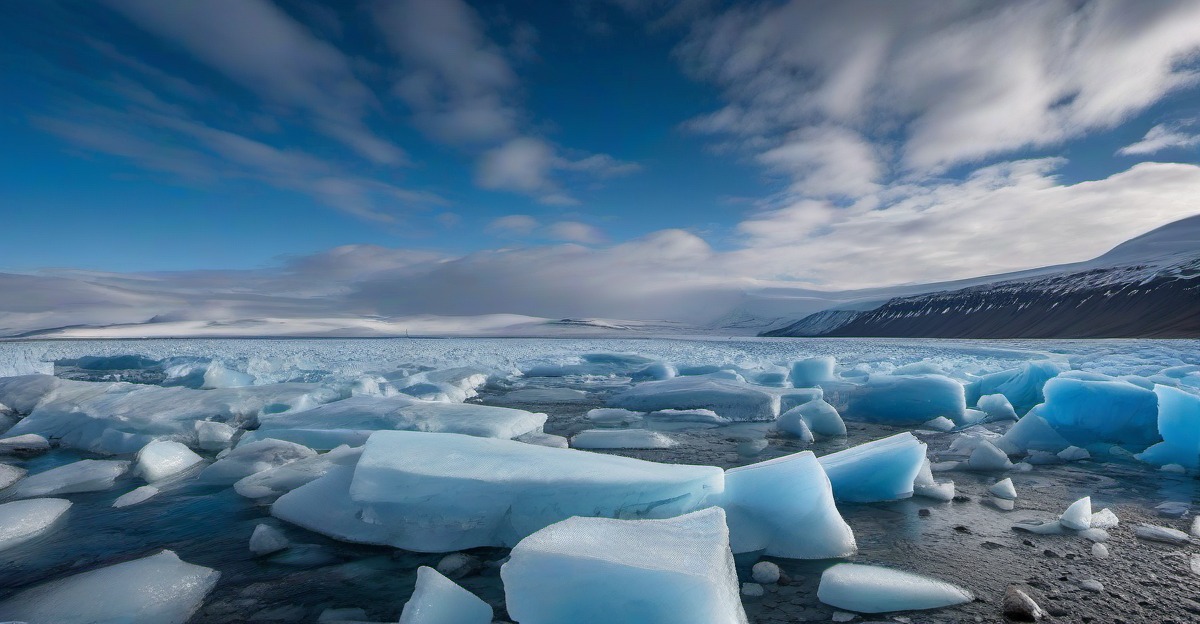
Glacier Safety in Iceland, Real Risks, Real Rules
>The rope is not a metaphor. The helmet is not theatre. The weather call is the only rule that matters. The risks, the gear, the cancel decisions, and what the guide is doing while you walk.
Below is the practical safety breakdown for a guided walk-on glacier tour in Iceland, with the actual hazards, the equipment that handles each, and the rules that exist because the rule was learned the hard way.
The Five Real Hazards on a Glacier Walk
1. Crevasses
Crevasses are deep cracks in the glacier, often hidden under a thin snow bridge. They can be 5-50 metres deep and wide enough to fall into. On a guided tour you are roped to your guide and the route is chosen to avoid them. The ropes are tied for the entire time you are on the ice and a crevasse rescue plan is in place. Your guide uses a probe and walks the route in advance. Most visitor routes on Sólheimajökull avoid significant crevasassed terrain completely.
2. Ice falls and calving
Glacier faces calve. The big calving events at Jökulsárlón draw crowds but the smaller ones are hard to predict. Boat tours keep a distance. Land tours stay outside the calving zone. Stay back from the cliff edge when the guide tells you to. Every season someone standing too close to a calving wall ends up in the water and the response is the same — international news.
3. Slipping on ice
Crampons fix this. Boots with stiff soles and proper lacing, with steel crampons fitted properly, will not slip on glacier ice. The risk is the transition zone between ice and rock, where the crampon teeth can catch on rock and throw you off balance. Watch the guide's foot placement in the approach trail. Step where they step.
4. Hypothermia and cold exposure
Wet plus wind plus cold equals the rule. Iceland glacier walk kit is built around staying dry: waterproofs, layers, wool socks. People who get cold do so because they got wet, not because the temperature was cold in absolute terms. Section "What to Wear" on this site covers the system in detail.
5. Sun and snow blindness
Snow blindness is a real risk on bright days above the snowline. The combination of UV plus reflection off ice can burn your corneas in 30 minutes of unprotected exposure. Sunglasses with side coverage or glacier glasses are not optional. UV level on Vatnajökull in June is comparable to equatorial Africa at noon.
The Equipment and What Each Piece Does
Provided by the operator
- Climbing helmet: Protects against ice fall and tool drop.
- Climbing use: Connects you to the rope system. Worn over your waterproofs.
- Crampons: Steel spikes strapped to your boots. The grip on ice.
- Ice axe: Self-arrest tool. Used by the guide to probe and brake.
- Rope: Tethers the group together. The guide is the only one with tools for rescue.
You bring
- Waterproof jacket and trousers
- Mid-layer, base layer
- Wool socks, waterproof hiking boots
- Hat, gloves, sunglasses (UV protection)
- Water bottle (1L minimum)
The Weather Calls
Operators cancel tours for four weather conditions:
- Whiteout on the glacier. Sólheimajökull loses its route-finding cues in heavy snow or fog. Guides cancel when the cloud base drops onto the ice. This is the most common winter cancel.
- High wind. Above about 15 m/s the crampons are hard to keep in contact with the ice and the cold-wind combination is uncomfortable to dangerous. Operators cancel tours above ~20 m/s on the standard routes.
- Heavy rain. Hydration on ice is a real issue and visibility drops. Operators will run in light rain, often at no extra charge, but cancel in heavy rain.
- Volcanic activity. An eruption on Vatnajökull or a connected system closes the south coast. Operators coordinate with the Icelandic Met Office (vedur.is).
Cancellations usually rebook or refund. Reputable operators push the cancel decision to 24-48 hours before the tour, when the forecast is reliable.
Some links on this page are affiliate links. We may earn a commission if you book through them, at no extra cost to you.
What the Guide Is Actually Doing
Most of the guide's work happens before you arrive. They have already been to the route that morning and probed for crevasses. They have already checked the weather forecast updates. They have already decided whether to run an alternative route or cancel. By the time you meet at 8 At the, the decision tree has narrowed to one path. During the walk:
- They are constantly reading the ice. Looking for signs of stress, new cracks, water flow.
- They are checking the weather. Wind shifts, cloud base lowering, fog rolling in.
- They are looking at you. Wet clothing, blister forming, struggling to keep up, slowing down on the descent — all reason to adjust the plan.
If your guide says the route changes or you are turning back, that is not a failure. That is the safety system working.
The One Thing That Kills Visitors Every Year
It is not the glacier. It is the drive. The south coast Route 1 is the road that leads to most glacier tour meeting points and the road that is most dangerous in winter storms. Black ice, high wind, low sun, and an unfamiliar rental car are the variables that produce the actual fatalities. Every Iceland travel safety review I have read confirms this pattern. The advice is the same every year: drive within your limit, check road.is before you leave, do not drive in the dark in winter if you can avoid it, and consider a guided tour specifically so you do not have to drive at all.
The Most Common Mistakes on Glacier Tours
- Showing up without the right footwear (smooth-soled shoes or fashion boots that cannot take a crampon).
- Not wearing the waterproof shell, getting wet, getting cold, blaming the operator.
- Walking past the guide on a transition zone and slipping.
- Leaving the group to take a closer photo of an ice cliff.
- Driving to the glacier meeting point without checking the weather or road conditions.
When You Should Not Go Without a Guide
Almost always. Guided is the right call for almost every glacier experience in Iceland. The training requirement to self-rope, probe, and self-arrest is multiple seasons. The few experienced mountaineers who do self-guided glacier work in Iceland are not the audience for this page. For everyone else, the rule is: go with a guide, ask to see their certification if you want to verify, and follow their decisions on the day.
Guided glacier walk, the safety benchmark: Sólheimajökull with a guide, gear, and 2-3 hours on the ice. Suitable first-timers, certified guides, certified equipment. Sólheimajökull glacier hike with guide →
Written by Sven Lindqvist, adventure and landscape photographer; Nordic travel specialist. Eight seasons on Iceland's Vatnajökull and New Zealand's Franz Josef and Fox glaciers. Last reviewed July 2026.
Explore More
Related pages on the rest of the site:
- Sólheimajökull Glacier Hike
- What to Wear on a Glacier Tour
- Best Time for a Glacier Hike
- Iceland Ice Caves
Explore More
Related guides and comparisons: