Franz Josef Glacier Guide: What Nobody Tells You Before You Go
I Didn't Expect Travel to Feel Like This
I pulled into the Franz Josef township at 7 AM in August 2021 after a sleepless night in a hostel bunk. The forecast said "clearing later" which in New Zealand's West Coast means maybe, maybe not. I had booked a heli-hike three months ahead — the kind of splurge I rarely make — and the call came at 7:15 AM. Cloud ceiling at 500 metres. No flights today.
I rebooked for the next morning. Same thing. Third day: clear skies, perfect flight. The guide told me August has a 40% cancellation rate. That's the first thing this Franz Josef glacier guide needs to tell you: build buffer days. Don't book a heli-hike on your last day in New Zealand. I've seen travellers cry at the check-in desk because they fly out tomorrow and the clouds won't lift.
Franz Josef Glacier is one of only three glaciers in the world that descend into temperate rainforest. That means the weather is wet, unpredictable, and often glorious in short bursts. The valley walk I did on day two — the one I booked as a consolation prize — turned out to be the tour
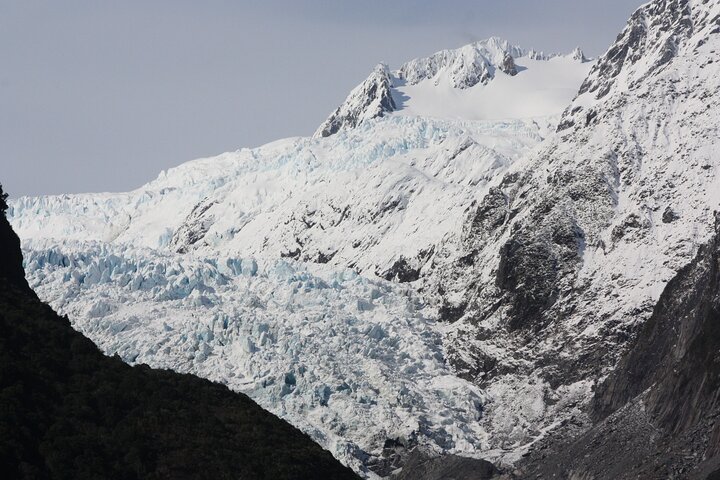
Franz Josef Glacier 2-Hour Valley Walk — The Tour That Saved My Trip
When the heli-hike got cancelled, the woman at the booking desk offered me the Franz Josef Glacier 2-Hour Valley Walk instead. I took it reluctantly, expecting a consolation prize. What I got was a geology lesson that changed how I see glaciers.
The valley walk doesn't put you on the ice. You walk to the terminal face — the snout — and stand maybe 200 metres from where the ice ends. The guide, a woman named Jess who had worked on Franz Josef for seven seasons, pointed to a marker on the valley wall. "That's where the ice was in 2010," she said. The glacier has retreated about 40 metres a year since. You can see it happening in real time.
Here's what surprised me: the guides cut new steps in the ice daily on the full hikes, but the valley walk route changes too. The river that runs off the glacier shifts course every few months. Jess told me they'd rerouted the path three times that winter. The landscape is alive in a way I hadn't understood from photos.
Franz Josef Glacier 2-Hour Valley Walk
Guided walk to the terminal face of Franz Josef Glacier. No ice contact but excellent views and geological commentary. Best for budget travellers and anyone wi
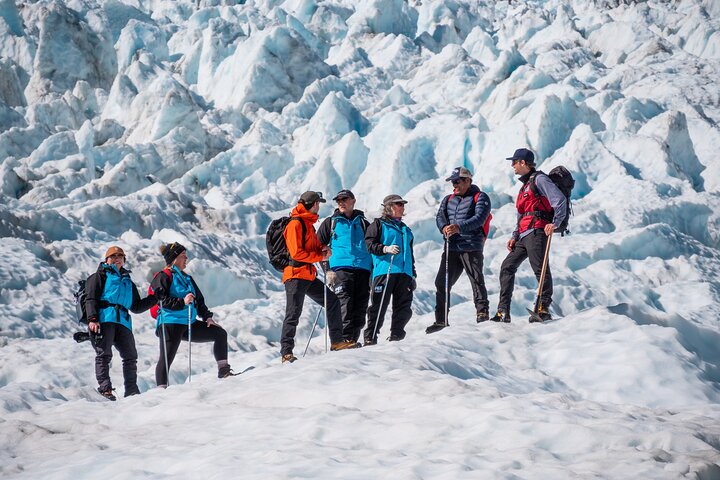
Who this is NOT for: Anyone who wants to walk on ice. If you need crampons under your feet, this isn't it.
Moments That Stuck With Me in New Zealand's Glacier Country
I've shot ice on two continents — eight seasons on Iceland's Vatnajökull, and multiple trips to Franz Josef and Fox Glaciers in New Zealand. The two experiences are completely different. NZ glacier ice is whiter, denser, and the guides cut steps into it. Icelandic glacier ice has more volcanic ash layers, is bluer, and the terrain is more varied. NZ hikes feel more structured; Iceland hikes feel more exploratory. Don't choose — do both if you can.
But the moment that stopped me cold (pun intended) was on day four at Franz Josef, after three days of heavy rain. When the clouds broke, the ice was the bluest I have ever seen. The rain had scoured off the grey surface layer. The guides said it happens maybe ten times a year. The valley was steaming in the post-rain sun. I shot for two hours and bar
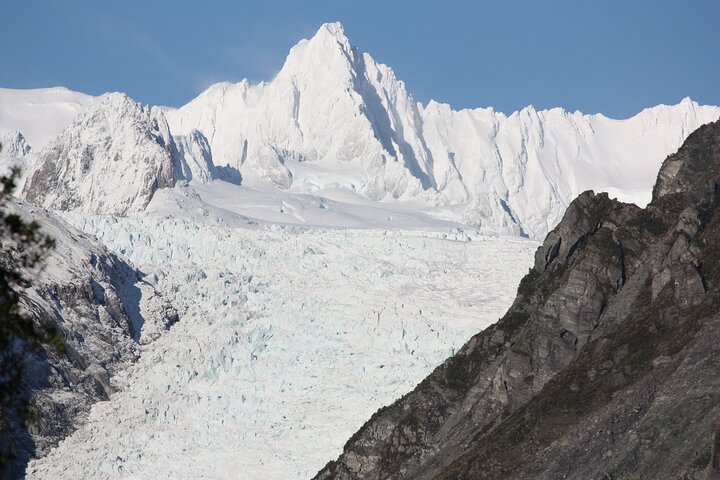
That's the thing about glacier travel: you can't force it. The weather decides. But when it works, it works in ways you can't plan for.
Franz Josef Heli-Hike — The Full Glacier Experience
I'll be honest: I was sceptical about heli-hikes. They're expensive and weather-dependent. But when the clouds finally broke on day three, I understood. The Heli-Hike Fox Glacier flight landed us at 2,200 metres on pristine ice. The guide cut fresh steps and we had two hours on terrain that felt like another planet.
Fox Glacier is steeper than Franz Josef and retreats faster. The heli-hike accesses terrain that would take days to reach on foot. The ice here is whiter and denser than what I've shot in Iceland — the guides cut fresh steps into it with ice axes. New Zealand glacier hikes feel more structured than Iceland's exploratory terrain, but the ice quality is superb.
Fox Glacier's access road washed out in 2019, making helicopter access the norm. That changed the experience — it's now quieter and more exclusive. Helicopter glacier tours in New Zealand typically land at 2,000-2,500 metres elevation, giving you views across the Southern Alps that few people ever see.
Heli-Hike Fox Glacier
Helicopter flight onto Fox Glacier followed by a 2-hour guided hike on the ice. The best way to access Fox Glacier since the access road washed out. Best for adventure seekers looking for the full helicopter and ice hiking experience.
Check Availability →Who this is NOT for: Anyone over the weight limit (typically 116 kg / 255 lbs) or uncomfortable with heights. All passengers are weighed at check-in. Helicopter flights get cancelled about 30% of the time — build buffer days.
What Really Surprised Me About Glacier Travel
I've spent enough time on ice to have a few surprises. Here are the ones that caught me off guard.
Ice caves are warm. The first time I entered a Katla ice cave, I was sweating in my parka within 15 minutes. The caves trap body heat. I stripped down to a fleece and was still warm. Also: most ice caves are grey-black with volcanic ash streaks, not the vivid blue you see on Instagram. The blue patches exist, but they're smaller than the photos suggest. Manage your expectations.
Diamond Beach is wind-dependent. I drove 5 hours from Reykjavík in February 2020 expecting a beach covered in ice diamonds. Found three small chunks of ice and a lot of black sand. The wind had been blowing offshore for three days. A local photographer told me she checks the wind forecast, not the weather, before going. Offshore wind means no ice washes ashore. Onshore wind? The beach turns into a gallery of sculpted ice.
Bad weather can make better photos. I drove from Höfn at 6 AM in August 2022 expecting sunrise photos at Diamond Beach. Hit a fog bank 10 km out — visibility dropped to 20 metres. At the beach, iceberg shapes emerged from the fog like slow-moving ships. Every few minutes the fog thinned for 30 seconds, revealing a completely different arrangement of ice. I shot 200 frames. The fog photos were better than any clear-day shots I've taken.
Glacier hikes are not as cold as you think. The first 20 minutes are cold, then your body heats up. The issue is sweat management. Layer with wool, not cotton — cotton kills when it gets wet in glacier conditions. And wear sunscreen on your chin and under your nose. The ice reflects UV upward. I've burned in places I didn't know could burn.
Sven Lindqvist's Insider Tips for Getting It Right
After years of shooting ice in both hemispheres, here's what I've learned that the brochures won't tell you.
- Book the earliest slot. For Franz Josef, book the 8-9 AM slot. The ice is firmer and the light is better. For Jökulsárlón boat tours, aim for 10-11 AM — the light is best for iceberg photos. For ice caves, book the first or last slot of the day. I arrived at Katla at 11 AM and found three Super Jeeps and about 40 people in the cave. Couldn't take a photo without someone in it. The 8 AM slot the next day had the cave to ourselves for 20 minutes.
- Check your gear before you go. Twenty minutes into a guided hike on Sólheimajökull, my left crampon slipped sideways on a steep section. The guide caught my arm before I slid. The strap had loosened because I'd tightened it over a thick gaiter. The guide said he sees it twice a week. Check crampon straps every 20 minutes on ice. Tighten directly over the boot, not over gaiters. Also: wear sunglasses even on cloudy days. Glacier glare causes snow blindness faster than you'd think.
- Don't judge a glacier by its snout. The Sólheimajökull parking lot shows you a glacier tongue black with volcanic ash and dirt. Looks nothing like the pristine blue ice in the brochure. But 20 minutes up the glacier with crampons, the surface ice is clean, blue, and full of crevasses. The dirty appearance is just the terminal moraine.
- Fuel up early. If driving the south coast in Iceland, fill up at Vík. It's the last reliable fuel stop before Höfn. I pulled into Vík at 9 PM once with the fuel light on. The station was closed — card-only after 8 PM. My foreign card wouldn't work in the pump. Had to find the hotel reception, wake the owner, and pay cash for a jerry can. Not a fun evening.
- Bring two pairs of gloves. One will get wet from handling ice. The second pair keeps you warm when the first is soaked. And bring a thermos of hot chocolate. The Jökulsárlón parking lot café is expensive and often closed. There's a better one at the Hali Country Hotel 12 km east.
For photographers: a polarising filter is essential for cutting lagoon reflections. I've shot Jökulsárlón at sunrise, midday, and midnight sun — and the lagoon looks completely different in each light. The 10 AM boat tours get the best iceberg reflections.
If you're considering a combined tour, the South Coast and Glacier Hike Tour from Reykjavík combines south coast waterfalls with a guided glacier hike on Sólheimajökull. The hike is beginner-friendly, about 1.5 hours on ice. It's a solid choice if you want to walk on a glacier and see the sights in one day.
What I Wish I'd Known Before I Went
I've made every mistake in the book so you don't have to. Here's the shortlist.
- Don't book a Jökulsárlón day trip from Reykjavík in winter. You spend 10 hours in a bus and 1 hour at the lagoon. The drive is 5 hours each way without stops. With stops for Seljalandsfoss and Skógafoss, it's 7+ hours. You arrive at the lagoon in the dark and leave in the dark. If you want to do it properly, stay overnight in Vík or Höfn.
- Don't wear jeans on a glacier hike. They freeze solid when wet and chafe badly. I've seen people do this. They don't make it 30 minutes before turning back.
- Don't assume ice caves are blue like the photos. Most are grey volcanic ice with blue patches. The blue patches are real but they're smaller and less frequent than Instagram suggests. Still incredible, but manage your expectations.
- Check helicopter weight limits. NZ flights have strict per-person limits, typically 115-130 kg. If you're over, you may need to book two seats or a different tour. This is not negotiable.
- Don't book summer ice cave tours. Most caves collapse by April. Ice cave season in Iceland is November to March. Book in winter.
- Don't stand too close to the lagoon edge. Icebergs can roll without warning and create waves. I've seen a chunk of ice the size of a car calve and crash into the lagoon. The wave that followed was waist-high. Respect the edge.
- Check whether your glacier tour includes hotel pickup. Some Skaftafell meeting points are 5 km from the nearest accommodation with no taxi service or public transport. You'll be walking in the dark.
One final thing: if your helicopter tour gets cancelled in New Zealand, ask to be rebooked for the next morning. Winds are usually calmer in the early hours. And if you're driving the south coast in winter, check road.is for conditions. The road to Jökulsárlón closes in severe weather.
For more detailed planning, check out my Franz Josef Glacier costs guide and first-time glacier guide. If you're deciding between experiences, my glacier hike vs ice cave comparison might help, and the glacier lagoon Iceland guide covers Jökulsárlón in depth.
Frequently Asked Questions
What is the best time of year to visit Franz Josef Glacier?
Summer (December to February) has the most reliable weather and longest daylight hours, but also peak crowds and prices. The glacier is accessible year-round, but winter (June to August) has a higher cancellation rate for heli-hikes — about 40% in August based on my experience. Spring and autumn offer shoulder season benefits: fewer people and lower prices, but more variable weather.
How long does the Franz Josef Glacier Valley Walk take?
The 2-hour Valley Walk takes about 2 hours round trip from the car park. It's a guided walk on a maintained path to the terminal face. No ice contact, no crampons needed. The route changes depending on river conditions. It's suitable for most fitness levels and is a good backup if your heli-hike gets cancelled.
Is Franz Josef or Fox Glacier better?
They're different experiences. Franz Josef has more tourism infrastructure — you can wait for the light, explore at your own pace, and skip the crowds. For solo travellers, the premium is hard to justify. A standard boat tour at 10-11 AM gives good light and a solid experience for a fraction of the cost.
What should I wear for a glacier hike?
Layer with wool, not cotton. Cotton kills when it gets wet in glacier conditions. Wear waterproof trousers and jacket, sturdy boots with ankle support and a stiff sole (crampons need this), sunglasses (even on cloudy days — glacier glare causes snow blindness), and sunscreen on your chin and under your nose. Bring two pairs of gloves — one will get wet. Book boots a half-size larger than normal — feet swell at altitude and crampons tighten the fit.
How does New Zealand glacier weather compare to Iceland?
Yes, in Iceland between November and March. Ice cave season runs from November to March. Northern lights are visible from September to April. Winter daylight is short (4-6 hours), so plan your days carefully. You can do an ice cave tour during the day and hunt for aurora at night. Just be prepared for challenging driving conditions — check road.is before heading out.
How do Franz Josef and Fox Glaciers compare?
Fox Glacier is steeper than Franz Josef and retreats faster. Both descend into temperate rainforest — one of only three glaciers in the world that do this. Franz Josef has more tourism infrastructure (town, hot pools, more tour operators). Fox is quieter. The ice quality is similar. If you have time, do both. If you only have one day, choose based on weather — whichever has clearer skies will give you the better experience.