Some links on this page are affiliate links. We may earn a commission if you book through them, at no extra cost to you.
Affiliate disclosure: This page contains links to guided glacier tours at specific times of year through our booking partner Viator (partner ID P00299531). If you book after clicking, we may earn a commission at no extra cost to you.
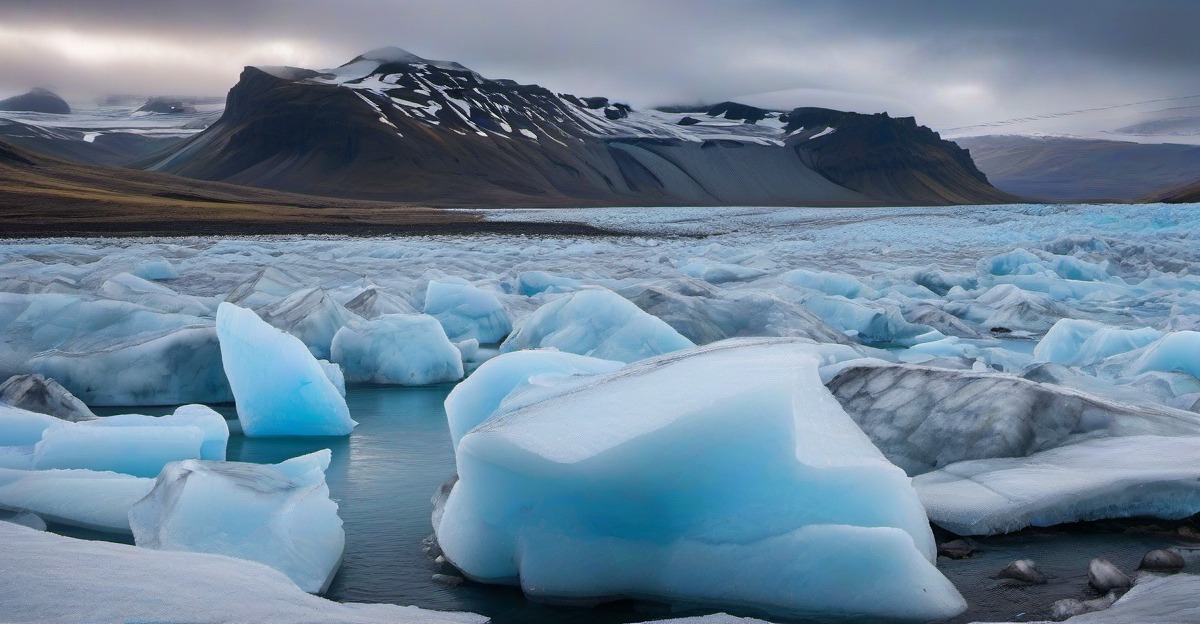
Best Time for a Glacier Hike in Iceland, Month by Month
>Daylight, weather, ice conditions, crowds, and the specific weeks I would book if planning my first trip. Drawn from eight seasons.
Below is the month-by-month guide for first-timers, with the variables that actually matter: light, surface, weather, cost, and the seasonal products that shift the answer.
The Short Answer for Most Visitors
If you are a first-timer planning a 5-7 day trip and you want a glacier hike that is not weather-dependent, the best window is mid-June to mid-August. You will have the most daylight (18-21 hours), the highest probability of non-rain, and the largest selection of tours and operators. The trade-off is crowds: south coast day tours from Reykjavik to Sólheimajökull are busy in July, and the prime morning slots for ice cave tours in February are even more competitive.
If you have flexibility and want fewer crowds at slightly lower prices, the best shoulder window is late May or early September. The weather is more variable, the daylight is shorter, but the trails are quieter and the operators have more flexibility on group size.
If you specifically want the blue ice cave, the answer is January to February, and the dates within that window matter less than the year-on-year consistency. The caves form every autumn and collapse every spring, and the central two months are the stable window.
Month by Month, With Honest Pros and Cons
January, February
The blue ice cave months. 5-7 hours of daylight, daylight starting around 10 At the, fading by 3 PM. Tours are scheduled to match. Cold, but rarely below -10°C at sea level in the south. The combination of blue ice, low light, and short days means morning tours are the only practical option. The cave that exists in February did not exist in November, will not exist in April. This is the rare glacier product that is genuinely seasonal.
Best for: ice cave specific trips, photographers who want low light and blue saturation.
Avoid if: you are a first-timer who is also planning to drive the Ring Road (winter road closures limit the loop heavily).
January-February ice cave tour: The Vatnajökull Crystal Blue tour runs most days of the week from the Jökulsárlón meeting point. Morning slots for the bluest light. Vatnajökull Ice Cave and Glacier Hike →
March, April
Variable. March is technically the end of ice cave season and the caves are starting to melt. Some operators pull their ice cave tours forward into early March and close by mid-March, others push into the last week. The light extends quickly: 10-13 hours by April, midnight sun reach begins in late April. Crowds are lower than summer, but weather is more variable. Some operators close for a few weeks in April for maintenance.
Best for: visitors who want shoulder pricing and don't mind checking the cave status week-of.
May
Shoulder month with rapidly increasing daylight (15-18 hours) and crowds that haven't yet built. The south coast day tours begin full operation in early May after the winter operators have wound down. Glacier conditions on Sólheimajökull are good in May. Ice cave tours are mostly closed. The first Jökulsárlón boat tours of the year start in May, weather permitting.
Best for: visitors with flexible dates who want summer conditions without the July-August peak.
June
Summer begins. 19-21 hours of daylight, midnight sun above the Arctic Circle from mid-June. South coast tours run on full schedule. Sólheimajökull is open for full-day glacier walks. Weather is generally stable but a rainy week still happens. Crowds are building but not at July peak. The first adventure tour operators begin heli-hikes in June (rare in Iceland, common in New Zealand).
Best for: visitors planning a south coast + Golden Circle combination trip.
July
Peak season. 21 hours of usable daylight, often meaning you can do a glacier hike at 9 PM and still return in full light. Most reliable weather window. Most crowded. Tour prices are at peak. Every south coast operator runs. Book 1-2 weeks ahead for July south coast day tours from Reykjavik.
Best for: visitors who want the most reliable weather and don't mind paying peak prices.
July south coast + glacier hike: The most-booked day tour of the year, covering Sólheimajökull, Vík, Reynisfjara, and (as time permits) Jökulsárlón. South coast + glacier hike day tour from Reykjavik →
August
Peak season continues. Same as July, with the addition of late-summer weather. Some years August is wetter than July, some years drier. Light begins to recede noticeably by mid-August (down to 17 hours).
Best for: visitors with rigid school-holiday schedules.
September
Shoulder month of the highest quality. 14-12 hours of daylight, autumn colours start at the edges of the south coast (lupins fade, the heaths come in). Crowds are noticeably down from August. Weather is more variable but the south coast is still mostly walkable. Some operators close for maintenance in late September.
Best for: photographers (autumn light), visitors with flexible dates, those who want fewer crowds.
October
The first ice cave tours of the new winter start opening in mid-October, depending on conditions. Glacier hikes continue year-round. The first snow arrives on Vatnajökull. Daylight is 6-10 hours. South coast tours continue with reduced frequency. Jökulsárlón boat tours have mostly closed for the season.
Best for: visitors who want a glacier hike without the summer crowds and are flexible on the cave status.
November, December
The cave season ramps up. By mid-November most operators have a current ice cave in production. December is fully operational but the caves are still forming, so access can be limited and the ceilings are thinner. The Christmas window (December 23 to January 1) sees a spike in South Iceland visitors and accommodation prices rise accordingly.
Best for: visitors chasing Northern Lights and a cave tour in the same trip.
Other Variables That Matter
- Day of the week: Most south coast day tours operate daily in summer. Mid-week is quieter. The Jökulsárlón boat tours run daily in summer and most shoulder months, weather permitting.
- Time of day: Morning tours (8-10 At the departure) are calmer, the light is better, and groups are smaller. Afternoon tours (12-2 PM) are warmer but more crowded.
- Volcanic activity: An active eruption on Vatnajökull or near the south coast can close roads and tours. Check vedur.is (Icelandic Met Office) before booking.
- Weather windows: Forecasts 4-5 days out are reliable for Iceland. Anything beyond 5 days is guesswork.
The Single Best Week of the Year
If I had to pick one week for a first-time visitor who wants a glacier hike and is open to dates: the second week of July. It is past the spring cold-snap risk, before the autumn weather shifts, in the middle of the longest daylight window, with tour operators in full operation and guide schedules stable. Cost is at peak but service quality is too. The trade-off is crowds. If you have flexibility on dates and cost is more important than reliability, swap to the second week of September. If you specifically want the blue ice cave and don't mind the cold, the last week of January gives you the deepest blue with the smallest crowds of the cave season.
Written by Sven Lindqvist, adventure and landscape photographer; Nordic travel specialist. Eight seasons on Iceland's Vatnajökull and New Zealand's Franz Josef and Fox glaciers. Last reviewed July 2026.
Explore More
Related pages on the rest of the site:
- Best Time to Visit Iceland
- Summer vs Winter Glacier Hike
- Iceland Ice Caves
- Sólheimajökull Glacier Hike
Private Day Tour: Explore Iceland’s South Coast & Glacier Hike
The South Coast of Iceland is known for its breathtaking natural landscapes. You'll encounter a diverse range of sights, including waterfalls, glaciers, black s
Check availabilityExplore More
Related guides and comparisons: